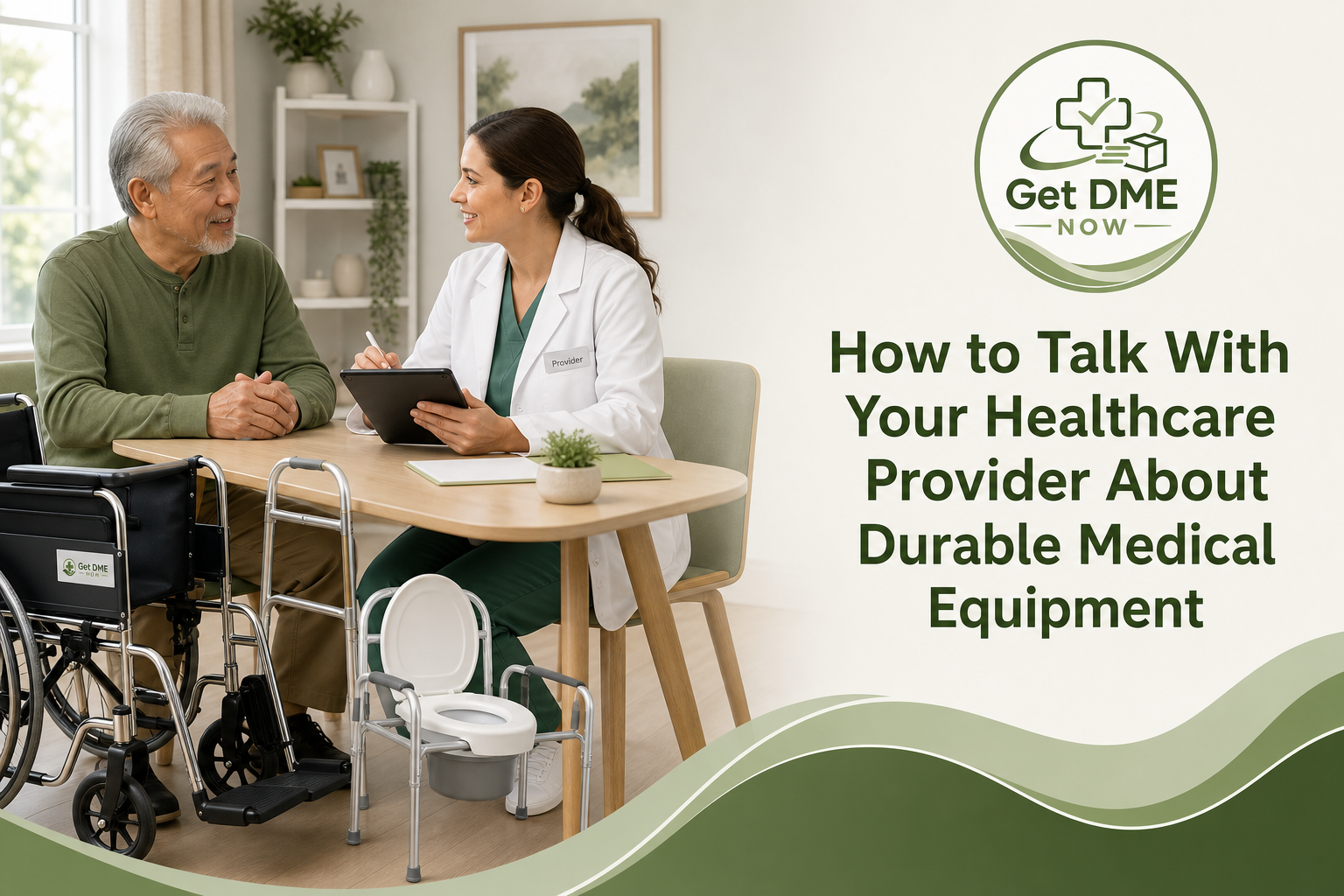
How to Talk With Your Healthcare Provider About Durable Medical Equipment
Discussing durable medical equipment (DME) with your healthcare provider can feel overwhelming, especially if you are new to this part of medical care. With the right information and approach, you can have productive conversations that help ensure you receive equipment appropriate for your needs. This guide will walk you through how to prepare for these discussions, what questions to ask, how insurance may fit into the process, and what support is available through Get DME Now.
Understanding Durable Medical Equipment (DME)
Durable medical equipment is a broad category of medically necessary items prescribed by healthcare providers to help support daily life and specific health conditions. DME may include items such as:
- Wheelchairs and mobility aids
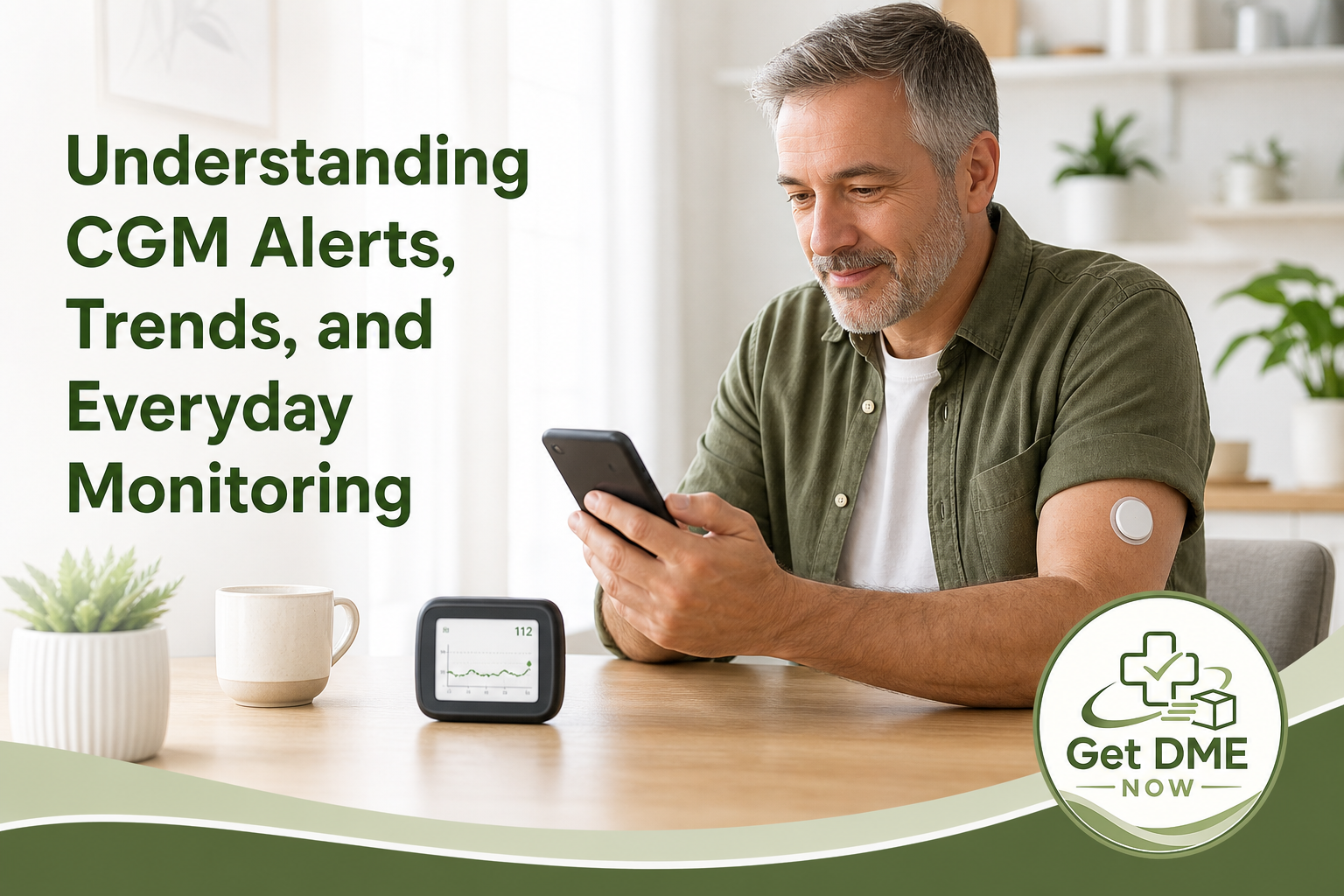
- Blood glucose monitors and continuous glucose monitors (CGMs)
- Insulin pumps
- Compression equipment
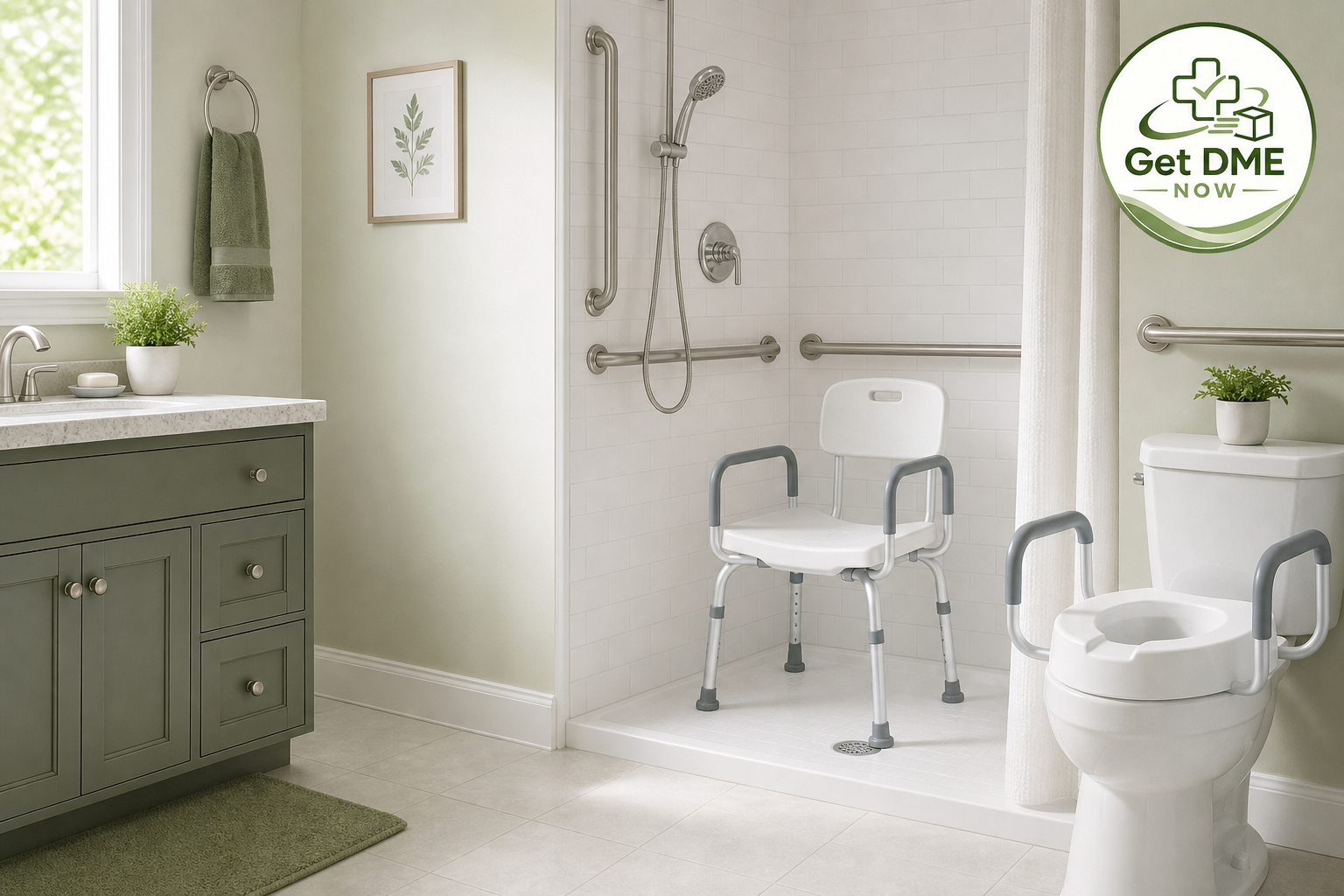
- Bathroom safety aids
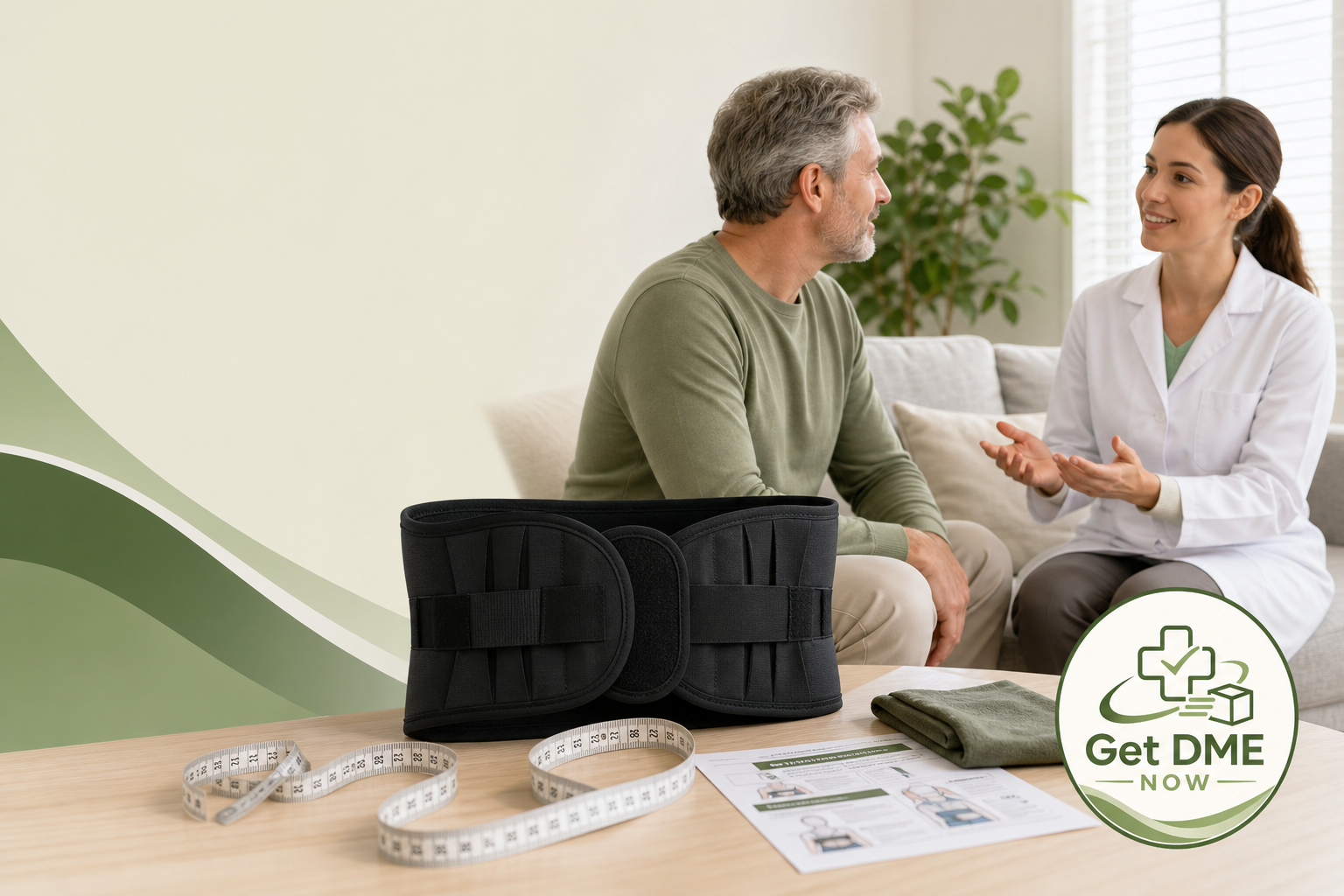
- Orthopedic supports and back braces
- Blood pressure monitors
DME is generally designed for repeated use, provides a medical benefit, and is intended for use in the home. Coverage, recommendations, and specific equipment needs vary from person to person.
Why Talking With Your Healthcare Provider Matters
Your healthcare provider plays a key role in determining when and what type of durable medical equipment may best support you. Open communication helps to:
- Identify the most appropriate equipment for your medical, lifestyle, and safety needs
- Ensure you receive accurate prescriptions and documentation
- Establish the medical necessity required for insurance eligibility
- Address concerns or questions about comfort, use, or alternatives
Working with professionals can help make sure your equipment selection is clinically supported, fits your home environment, and aligns with long-term goals.
Preparing for Your Appointment
Getting ready for a conversation about DME can help you feel more confident and ensure important points are covered. Here are practical steps to consider:
Make a List of Needs or Challenges
Consider what activities you find difficult or what tasks you hope to improve at home. You might note:
- Trouble with mobility
- Falls or balance concerns
- Needing support for blood sugar monitoring
- Difficulty managing daily health routines
- Concerns about medication delivery
- Safety in the bathroom or bedroom
Bring Your Medical and Insurance Information
Having details such as your medical history, current diagnoses, and insurance card on hand may help streamline the process. Be ready to share:
- Your list of ongoing health conditions
- Medications and current medical equipment, if any
- Insurance plan details (including any recent changes)
Write Down Questions Ahead of Time
Appointments can be busy, so writing down your top questions or concerns in advance can help ensure nothing important gets missed.
Essential Questions to Ask Your Healthcare Provider
Talking with your healthcare provider helps clarify your options and gather the information needed for next steps. Some key questions to ask include:
- What types of durable medical equipment may support my specific health needs?
- How will this equipment help me at home or in my daily life?
- What are the pros and cons of each option?
- Will I need special training to use this equipment safely?
- Is there an option that is easier to maintain or set up?
- How might insurance coverage work in my case?
- What documentation or testing is needed for a prescription?
- How will the equipment be delivered to my home, and who sets it up?
- Who do I contact if there is a problem or if I have more questions later?
Bringing a trusted family member or caregiver to your appointment may help you remember important details and support your choices.
The Role of Prescriptions and Medical Documentation
For most DME, a prescription from a qualified healthcare provider is required. Your provider will typically document:
- The medical necessity for the item (why it’s needed for your condition)
- Relevant diagnosis or health issue
- Any supporting clinical notes, test results, or consultation reports
- Specifications such as type, size, or brand, if appropriate
Insurance companies frequently require specific information to approve coverage. Your provider’s thorough documentation can help prevent delays, so don’t hesitate to ask what information will be submitted.
Understanding Insurance and DME Coverage
Coverage for durable medical equipment varies widely depending on:
- Your insurance plan (commercial, Medicare, Medicaid, etc.)
- Medical necessity determined by your healthcare provider
- The specific equipment prescribed
- Provider network status
- Whether all required documentation is submitted
Some insurance plans may have additional requirements such as prior authorization, trial periods, or demonstration of need. Get DME Now can help check eligibility and guide you through the process, but only your healthcare provider can prescribe the equipment and submit supporting medical records.
Key Terms You May Hear
- Medical Necessity: Justification that the equipment is needed for your diagnosis or condition
- Prior Authorization: Insurance approval required before receiving equipment
- Copayment/Coinsurance: Your portion of the costs, if your plan has one
- Supplier/Distributor: The company that delivers your equipment (such as Get DME Now)
When to Request a Conversation About DME
You may want to bring up durable medical equipment with your provider if you experience:
- New or progressing symptoms impacting daily tasks
- Recent changes in your living situation
- Hospital discharge instructions recommending equipment
- Difficulty managing a chronic condition at home
- A desire to improve your comfort, independence, or home safety
Healthcare appointments—whether routine or for a new issue—are a good time to start this conversation. You do not need to wait for your provider to suggest equipment; patient questions are always welcome.
Tips for a Positive Conversation
A constructive discussion about durable medical equipment often begins with openness and collaboration. Consider these strategies:
- Be honest about all challenges, not just the ones you think are most urgent
- Explain any specific activities you want to make easier
- Bring photos or notes about issues at home (stairs, bathrooms, entryways, etc.)
- Ask for written information or brochures you can review later
- Discuss any past experiences—what has or hasn’t worked previously
- Request a demonstration or explanation for new-to-you equipment
Your healthcare provider may recommend a home health or occupational therapy assessment if further evaluation is needed.
How Get DME Now Supports Your Equipment Journey
Get DME Now specializes in guiding patients and families through the durable medical equipment process. Services include:
- Information about a wide variety of DME options
- Assistance understanding insurance eligibility and general process guidance
- Reliable, responsive customer service for equipment questions and support
- Nationwide delivery of approved equipment with clear communication throughout
If you have questions after your appointment or want to learn more about available DME, you can contact Get DME Now by phone or online.
Visit 🌐 getdmenow.com to browse helpful resources or get started with an eligibility inquiry.
What to Expect After Your DME Discussion
After your conversation with your provider, you can expect one or more of the following steps:
- Your provider will issue a prescription for DME if medically necessary
- Required documentation will be completed and submitted to your insurance
- Your chosen supplier will contact you to coordinate delivery and setup
- Training or instructions for use, if appropriate, will be provided
- Ongoing follow-up for equipment fit, use, or any changes to your needs
If you experience delays or need clarification, Get DME Now’s team is here to help explain the next steps. Staying informed and asking questions along the way is the best way to ensure a smooth experience.
Common Misunderstandings About DME Conversations
- You must wait for your provider to suggest equipment: Patients can and should bring up home equipment or accessibility concerns at any time.
- All DME is covered by all insurance plans: Coverage always varies, and not every type of equipment is covered for all conditions.
- One size fits all: DME recommendations are individualized to each person’s diagnosis, environment, and functional needs.
- It’s a one-time conversation: As conditions or home situations change, DME needs may also evolve.
Practical Steps for Ongoing DME Success
- Maintain open communication with your healthcare team about changing health or home needs.
- Keep records of your prescriptions, insurance approvals, and equipment instructions.
- Contact Get DME Now with questions about delivery, use, or maintenance support.
- Review and follow all manufacturer guidelines for equipment safety and cleaning.
- Schedule regular follow-up appointments to assess continued benefit and fit.
Conclusion: Making the Most of Your DME Conversation
Talking with your healthcare provider about durable medical equipment is a personalized process shaped by your unique needs, medical requirements, and insurance guidelines. By preparing questions, learning about available options, and collaborating with both your provider and trusted companies like Get DME Now, you can feel confident in each step of the process.
Choosing durable medical equipment is a personal process that may involve your healthcare provider, insurance plan, medical documentation, and individual needs. Get DME Now helps make the process easier to understand by providing helpful information and assistance with eligible equipment options. To learn more, visit 🌐 getdmenow.com.