A Beginner’s Guide to Continuous Glucose Monitoring
Managing blood sugar levels is a cornerstone of diabetes care. Yet, fingerstick monitoring alone may not always provide the full picture. Continuous Glucose Monitoring (CGM) technology is changing the way people and their healthcare providers approach diabetes by offering a real-time, fuller view of glucose trends. This beginner’s guide explains what CGM is, how it is used, who might benefit, and how to get started—helping you make informed decisions with the support of Get DME Now.
What is Continuous Glucose Monitoring?
Continuous Glucose Monitoring, commonly known as CGM, is a method of tracking glucose (blood sugar) levels 24 hours a day, using a small wearable device. Unlike traditional fingersticks that measure blood glucose at a single point in time, CGMs provide ongoing, real-time readings, showing patterns and trends over days and weeks.
Key Components of a CGM System
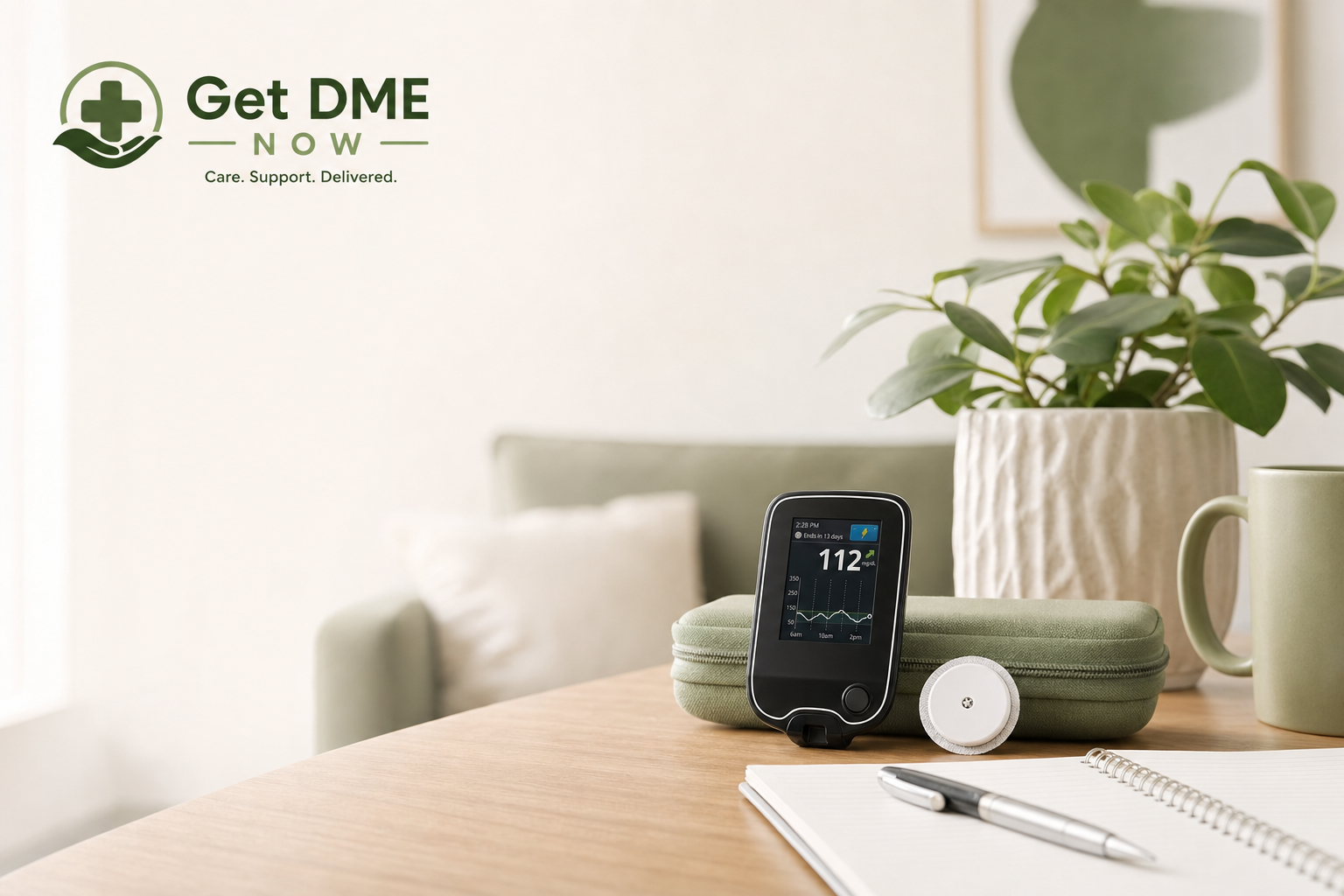
- Sensor: A tiny sensor inserted just under the skin (often on the abdomen or arm) that measures glucose levels in the interstitial fluid.
- Transmitter: Attached to the sensor, it sends glucose data wirelessly to a receiver or smartphone.
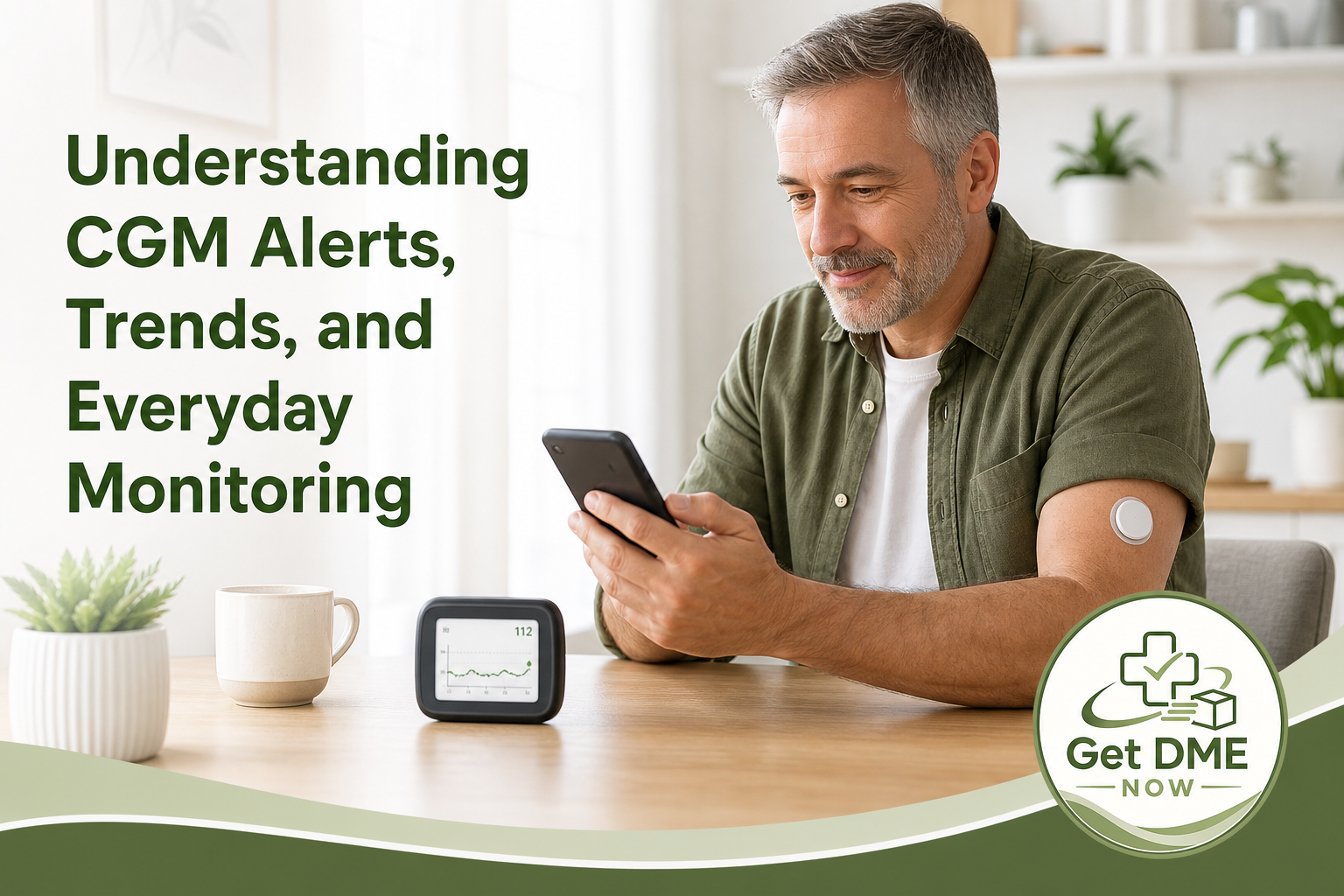
- Receiver or Smartphone App: Displays and stores glucose readings, alerts, and detailed reports that can often be shared with a healthcare provider.
How Does a CGM Work?
A CGM sensor uses a thin, flexible filament to continuously measure glucose levels in the fluid just below your skin’s surface. This sensor checks your glucose automatically, sending data at regular intervals—every few minutes, depending on the system.
Many CGM systems can:
- Show real-time glucose readings on a compatible device
- Alert you about high or low glucose
- Allow you to see glucose trends and patterns
- Store data for later review alongside your healthcare team
Some CGMs are approved for use in making certain diabetes management decisions, while others still require periodic fingerstick confirmation, especially for treatment changes. Your healthcare provider can guide you on how to use your specific device safely and effectively.
Who May Benefit from a CGM System?
CGM technology is designed primarily for people who manage diabetes—both type 1 and insulin-requiring type 2. However, the suitability of CGM varies individually. Here are some groups that may benefit from CGM, based on a healthcare provider’s recommendation:
- People who need frequent glucose checks
- Those using multiple daily insulin injections or insulin pumps
- Individuals experiencing unpredictable glucose changes
- People looking to better understand glucose trends, especially overnight or during physical activity
- Anyone seeking to share glucose data remotely with a provider or caregiver for support
Always consult your healthcare provider to determine if a CGM system may be appropriate for your medical needs.
Comparing CGM to Traditional Glucose Monitoring
Understanding the differences can help clarify whether CGM might enhance your diabetes care plan:
CGM:
- Checks glucose automatically 24/7
- Offers real-time readings and trends
- Can provide alerts for high/low glucose
- Reduces—but may not totally replace—fingersticks (depends on model)
- Stores in-depth data for analysis
Traditional Fingerstick Monitoring:
- Measures glucose only at time of test
- Requires manual fingersticks
- Provides no information about trends between checks
- No automatic alerts or remote sharing
Types of CGM Devices
Modern CGM systems come from several manufacturers and may differ in features such as sensor wear time, data display options, and compatibility with other devices. Some CGMs are designed to work seamlessly with insulin pumps for automated insulin delivery—sometimes called “closed-loop” or “hybrid closed-loop” systems. Your healthcare provider and the Get DME Now team can help you understand which CGM models may fit your preferences and prescription.
How to Use a CGM System
While each brand is unique, the typical steps for using a CGM include:
- Sensor Placement: Sensors are usually placed on the abdomen or arm. Most systems provide simple applicators for easy, gentle sensor insertion.
- Sensor Replacement: Sensors are worn for a prescribed duration (often 7–14 days), then replaced with a new one.
- Setting Up the Transmitter: Attach the transmitter to the sensor as directed. Some transmitters are reusable for a certain period.
- Connecting to a Receiver or App: Pair the transmitter with a compatible reader, smartphone, or other approved device.
- Monitoring Readings: View real-time readings, set custom alerts for highs/lows, and review stored glucose data.
Detailed instructions are provided with every CGM system. For safety and accuracy, use the device exactly as recommended by your healthcare provider and the manufacturer.
Questions to Ask Your Healthcare Provider
Before considering a CGM, it’s a good idea to discuss these questions with your healthcare provider:
- Is a CGM system recommended based on my diabetes plan?
- Which CGM models might be appropriate for my needs?
- Will I still need to use fingersticks for calibration or confirmation?
- How often will the sensor need to be changed?
- How do I use the device safely, especially for managing low or high glucose events?
- Can CGM data be shared with caregivers or the care team?
- What should I do if the sensor comes off early or stops working?
Your provider will review your history, preferences, and daily routines to help decide if CGM fits your goals.
Understanding Insurance and Prescription Requirements
Because CGM is a prescription medical device, certain criteria usually need to be met for coverage through insurance. Insurance requirements for CGM devices may vary by provider, plan, and medical necessity. Coverage often depends on:
- A diabetes diagnosis and current management plan
- Frequency of glucose checks
- Insulin therapy status
- Documentation of medical need by your healthcare provider
Get DME Now can help you explore the insurance eligibility process and gather the required information. For more details on eligibility and coverage, visit 🌐 getdmenow.com.
Storing and Caring for Your CGM Equipment
Good habits help keep your CGM system working reliably:
- Store Supplies Securely: Keep unopened sensors, transmitters, and applicators in a cool, dry place.
- Follow Replacement Schedules: Always change sensors and components as instructed by the manufacturer.
- Practice Good Hygiene: Wash your hands and clean sensor sites as directed to prevent infection or irritations.
- Check Battery Life: Some transmitters and readers need occasional recharging or battery changes—monitor these regularly.
- Report Issues Promptly: If you notice discomfort, equipment alarms, or erratic readings, notify your healthcare provider for guidance.
Common Misunderstandings About CGM Use
Understanding what CGM does—and does not—do is important for safe, effective diabetes care:
- CGM does NOT eliminate the need for all fingersticks. Many devices still require occasional fingerstick checks.
- CGM readings may differ from blood glucose readings. Results are from interstitial fluid and can lag behind bloodstream levels, especially during rapid glucose changes.
- CGM is a data tool. It is designed to support you and your healthcare provider in making informed decisions, but does not replace individualized medical advice.
The Role of Get DME Now in Your CGM Journey
Get DME Now works with individuals and healthcare providers to help support access to CGM systems and other durable medical equipment. From guiding you through eligibility requirements to answering questions about device options, the Get DME Now team is here to provide trustworthy information and responsive support. Contacting our team or visiting our website—🌐 getdmenow.com—can help clarify your next steps and simplify the process of obtaining recommended CGM equipment.
Conclusion: Taking the Next Step with Continuous Glucose Monitoring
Continuous glucose monitoring is a powerful tool that may help people managing diabetes better understand their daily glucose patterns. Choosing and using a CGM system involves individual needs, insurance eligibility, safe equipment practices, and ongoing communication with your healthcare provider. Get DME Now is dedicated to making the process straightforward—providing reliable education and step-by-step support for those interested in eligible CGM and other diabetes equipment.
To explore your options, consider speaking with your healthcare provider about whether CGM is right for you. For more information, eligibility support, or to learn about available medical equipment, visit 🌐 getdmenow.com.