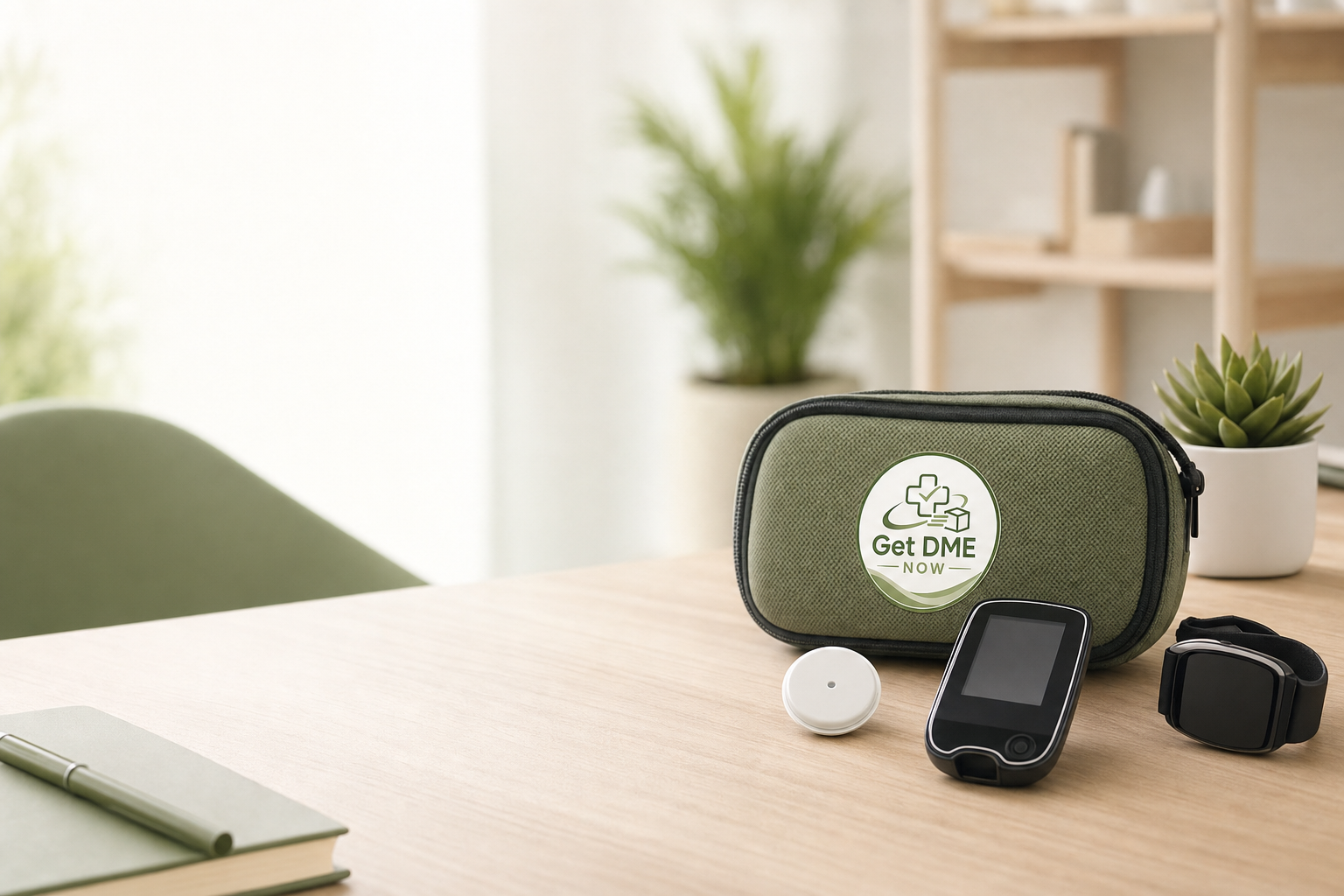
CGM Sensors, Readers, and Receivers: Understanding the Difference
Continuous glucose monitoring (CGM) technology has transformed how people manage diabetes by providing real-time information on glucose levels. But with several components involved—sensors, readers, and receivers—the details can get confusing. Understanding each part is an important step in learning how CGMs may support daily health and help individuals speak confidently with their healthcare provider.
In this guide, we’ll explain what CGM sensors, readers, and receivers actually are, how they work together, what makes them different, and how Get DME Now can help people learn more about their CGM options.
What Is a CGM?
Continuous glucose monitors (CGMs) are wearable medical devices designed to measure glucose levels in the body over time. Unlike traditional blood glucose meters, which require fingerstick tests, CGMs use a small sensor worn on the body to automatically collect data. These systems may be recommended for individuals managing diabetes who need insight into their glucose trends.
The Key Benefits of CGMs
- Provide continuous, detailed information about glucose levels
- Can detect high and low glucose trends
- May reduce the need for frequent fingerstick tests (depending on the device)
- Can send alerts or alarms if glucose levels are outside the target range
- Data can often be shared with caregivers or healthcare providers
Breaking Down the Components
Every CGM system has at least two essential components, and many have three:
- Sensor
- Reader and/or Receiver
- (sometimes) Smartphone app or software
Let’s take a closer look at each and address some common questions.
CGM Sensors: The Foundation of Monitoring
What Is a CGM Sensor?
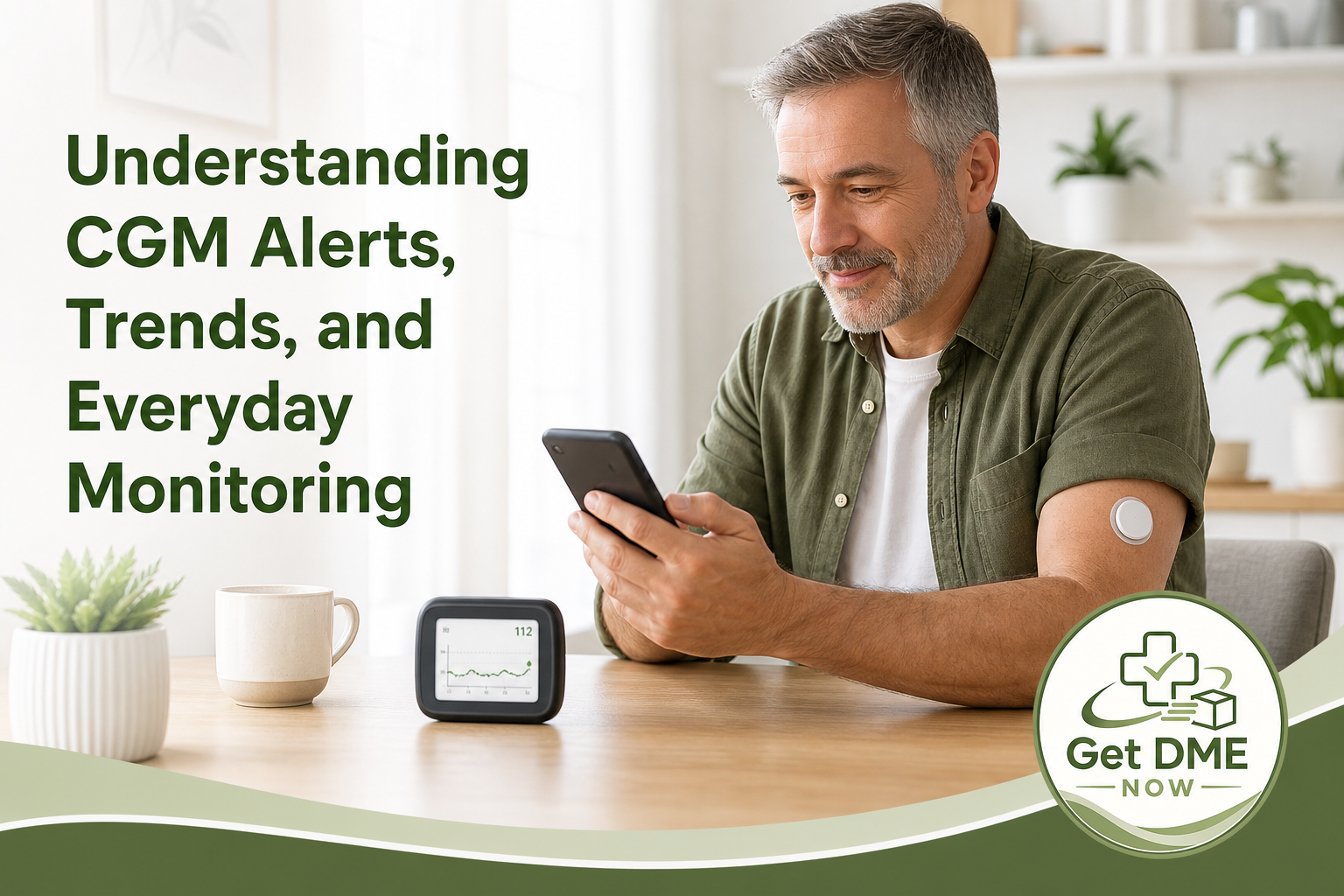
The CGM sensor is a very small, thin device that is inserted under the skin—usually on the abdomen or back of the upper arm. Its job is to measure the glucose level in the fluid just beneath the skin (known as interstitial fluid). The sensor is the main piece that gathers glucose information.
How Does a Sensor Work?
- The CGM sensor uses a tiny wire or filament, which is inserted just under the skin.
- This wire detects glucose and produces a tiny electrical signal.
- The signal is converted into a glucose reading by the CGM system.
- Most sensors are worn for several days to several weeks, depending on manufacturer instructions.
Key Points to Know
- Sensors must be replaced or changed regularly—how often depends on the model.
- The sensor does not display information by itself; it needs another device (reader or receiver) to show glucose results.
- A healthcare provider will usually demonstrate how to insert and use the sensor safely.
CGM Readers: Scanning for Results
What Is a Reader?
A reader is a handheld device used to scan the CGM sensor and display glucose readings. Some CGMs—such as specific models of the FreeStyle Libre—require users to manually scan their sensor with the reader to access their recent data.
What Does the Reader Do?
- A person moves the reader over the sensor, usually by holding it close.
- The reader collects glucose data from the sensor and displays it on-screen in an easy-to-read number or trend graph.
- Some readers store past results and allow users to review glucose patterns over days and weeks.
Not All CGMs Use Readers
- Some newer CGMs, like the Dexcom G7, automatically send glucose readings to an app or receiver without manual scanning.
- The need for a dedicated reader depends on the device system and user preference.
CGM Receivers: Automatic Data Display
What Is a Receiver?
A receiver is a dedicated device that wirelessly collects and displays glucose readings sent from the CGM sensor. Unlike readers, receivers do not require scanning. Instead, they show data continuously and often provide alerts.
What Does the Receiver Do?
- Receives real-time glucose information wirelessly from the sensor
- Displays glucose levels, trend arrows, and warning alerts for high or low readings
- Stores historical data that can be reviewed by the user or shared with a healthcare provider
- Some models allow data sharing with family, caregivers, or clinicians (depending on the brand and features)
How Is a Receiver Different from a Reader?
- Receivers generally display information automatically, with no scanning required
- Readers require users to scan to see data (unless the app or receiver feature is provided)
- Both may be offered with certain CGM systems, allowing for user preference
Smartphone Apps: The Modern Alternative
Many CGMs today allow users to view their glucose readings on a compatible smartphone app, sometimes replacing the need for a standalone reader or receiver.
How Apps Fit In
- Apps collect sensor data via Bluetooth or NFC
- Compatible phones display real-time readings and trends
- Some apps integrate with other health tools or allow remote data sharing
Considerations
- Not all smartphones are compatible with every CGM system
- Some people prefer a dedicated receiver for reliability or ease of use
- Speak with a healthcare provider about compatibility and best practices
Comparing Sensors, Readers, and Receivers
Comparing Features
| Component | Purpose | How It’s Used | Needs Replacement | Key Benefit |
|---|---|---|---|---|
| Sensor | Measures glucose | Worn on skin | Regularly (varies by brand) | Continuous data collection |
| Reader | Displays readings via scan | Manually scans sensor | No (long-term device) | Simple, on-demand access |
| Receiver | Displays real-time readings | Wirelessly receives data | No (long-term device) | Automatic alerts and trends |
Understanding the Differences
- Sensor: The core device that actually measures glucose
- Reader: Used to collect and display data when a scan is needed
- Receiver: Wirelessly collects and displays real-time readings
Some CGM systems may allow use of either readers or receivers; others may use smartphone apps instead.
Who Might Use CGM Sensors, Readers, or Receivers?
CGM technology is commonly considered for individuals with diabetes who need frequent glucose monitoring, including:
- Children, teens, and adults managing insulin-requiring diabetes
- Individuals and families wanting to reduce the number of fingersticks (as permitted by the device/doctor)
- People whose healthcare provider recommends continuous glucose insight for improved management
The choice between using a reader, receiver, or smartphone app depends on device compatibility, ease of use, and personal preference. Healthcare providers can help decide which setup is best for individual needs.
Talking With Your Healthcare Provider
Before choosing or switching to a CGM system, it’s important to discuss key topics with your healthcare provider:
- What systems are available?
- How often would the sensor be changed?
- Is a reader, receiver, or app best for my daily routine?
- What training or support is offered?
- Does my insurance plan have coverage for CGM equipment?
- Are there any special prescription or documentation requirements?
CGM systems and their accessories should be selected based on medical recommendations, insurance requirements, and individual preferences. Providers and suppliers like Get DME Now can help explain what’s available and guide you through the process.
Insurance and Coverage Considerations
The process of securing a CGM usually involves multiple steps and may require:
- A prescription from a qualified healthcare provider
- Documentation of medical need
- Insurance eligibility review
Coverage for sensors, readers, and receivers varies by insurance plan and device. Some plans may cover all parts, while others may have specific requirements. Get DME Now may assist with insurance eligibility checks and can explain what documents are commonly needed.
For the latest details, always review your insurance plan, and consult a provider or DME supplier who is experienced with CGM equipment.
Storage and Maintenance Tips
Proper care of CGM components may support accurate readings and device longevity:
- Store sensors, readers, and receivers as directed—often in a cool, dry location
- Avoid exposure to excessive moisture or heat
- Follow device instructions for cleaning readers and receivers
- Do not attempt to reuse single-use sensors, and dispose of them safely
- Charge the receiver as needed to avoid interruptions
If you have questions about equipment handling, speak with your DME supplier or device manufacturer.
Common Questions About CGM Sensors, Readers, and Receivers
Q: Can I use my smartphone instead of a receiver or reader?
A: Many CGMs offer this capability, but it depends on model compatibility, app support, and individual preference. Always verify with your healthcare provider and DME supplier.
Q: How do I know when to replace the sensor?
A: Follow your device’s instructions, as wear times can range from several days to two weeks or more. Most sensors will alert the user when replacement is due.
Q: Are all sensors, readers, and receivers interchangeable?
A: No. Sensors typically work only with specific readers, receivers, or apps from the same manufacturer. Do not attempt to mix parts from different brands or models.
Q: What happens if I lose my receiver or reader?
A: Contact your device supplier for possible replacement options. Availability and process may depend on warranty coverage, insurance, and the specific device system.
Q: Will insurance cover replacements?
A: Coverage varies. Some insurance plans include routine replacement for eligible equipment, but coverage rules depend on individual policies and requirements.
How Get DME Now Supports Your CGM Needs
Get DME Now is dedicated to making the process of learning about and obtaining CGM equipment easier to understand. Their team can answer questions, clarify insurance eligibility, and help coordinate with healthcare providers.
Visit 🌐 getdmenow.com to explore CGM options, read resource guides, and start an eligibility check.
Conclusion
Understanding CGM sensors, readers, and receivers is a valuable step toward more confident diabetes management. These components work together to help provide continuous insight, reduce fingersticks (as device permits), and support better conversations with healthcare providers. Remember, every CGM system has its own specifics, and insurance coverage, device compatibility, and wear times may differ for each person.
Choosing durable medical equipment is a personal process that may involve your healthcare provider, insurance plan, medical documentation, and individual needs. Get DME Now helps make the process easier to understand by providing helpful information and assistance with eligible equipment options. To learn more, visit 🌐 getdmenow.com.
By Get DME Now