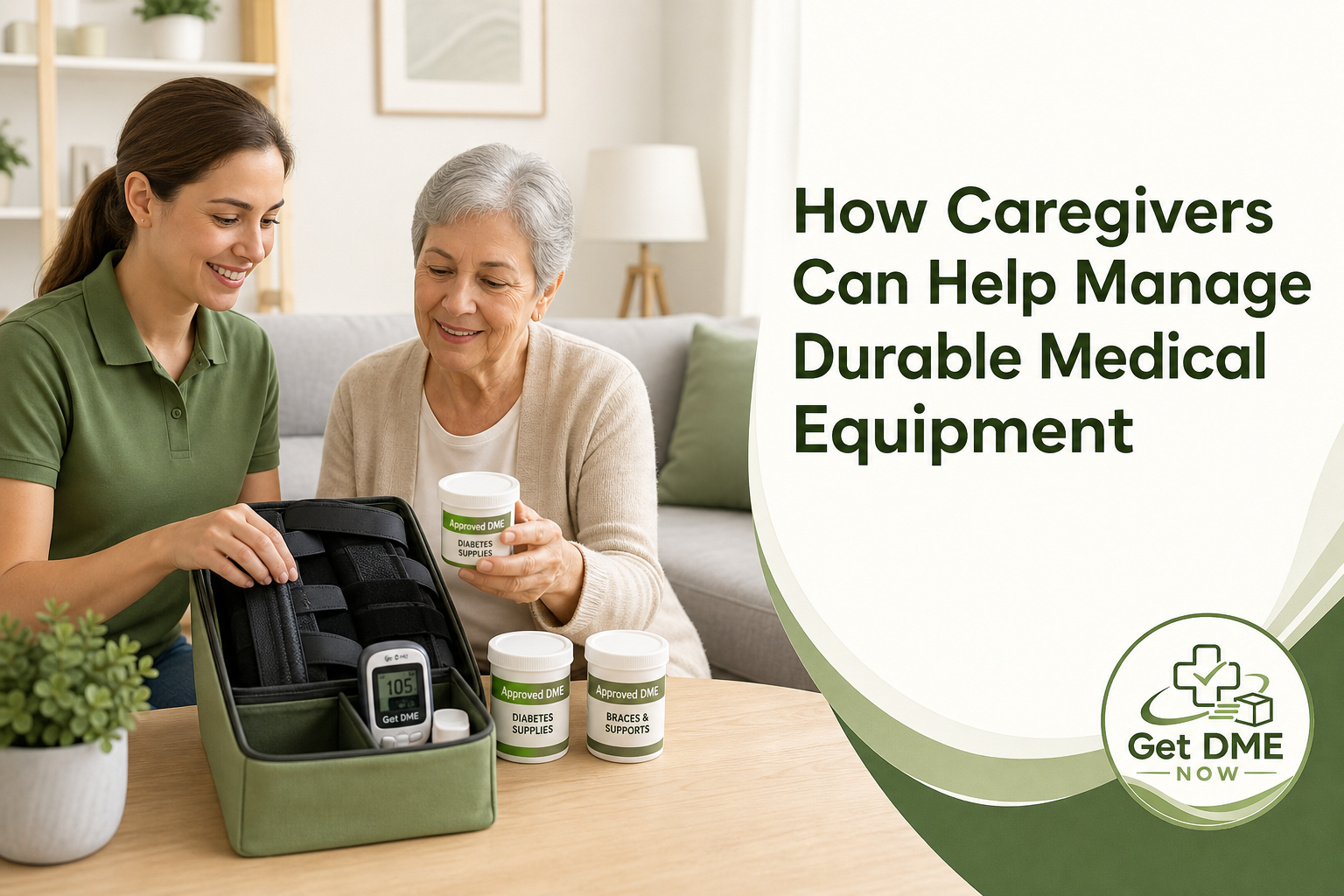
How Caregivers Can Help Manage Durable Medical Equipment
Caring for a loved one who depends on durable medical equipment (DME) can be both rewarding and challenging. Whether supporting a family member at home or assisting someone in a caregiving role, understanding how to manage DME safely and effectively is critical. This guide will explore the responsibilities of caregivers, practical strategies for daily equipment care, insurance considerations, and how Get DME Now can be a helpful resource.
Understanding Durable Medical Equipment
Durable medical equipment refers to medically necessary devices and supplies that may be prescribed for ongoing use to support health needs. Common types of DME include:
- Blood glucose monitors and continuous glucose monitors (CGMs)
- Insulin pumps and diabetes care supplies
- Wheelchairs and mobility aids
- Orthopedic supports and back braces
- Blood pressure monitors
- Compression therapy devices
- Bathroom safety equipment, such as grab bars and shower chairs
Most DME items are designed for repeated use and long-term function, making their proper care essential to ensure safety and comfort.
The Role of Caregivers in DME Management
Caregivers—including family members, friends, and professional aides—play a key role in supporting the individual who relies on DME. Their responsibilities may include:
- Assisting with the correct setup and use of equipment
- Overseeing routine cleaning and maintenance
- Monitoring equipment for function and safety
- Communicating with healthcare providers and equipment suppliers
- Keeping track of supplies and timely reorders
- Supporting documentation and insurance needs
For anyone new to this role, managing DME may seem overwhelming at first. However, with the right information, caregivers can create a supportive and organized routine that helps meet daily needs.
Setting Up Durable Medical Equipment Safely
Follow Manufacturer and Provider Guidance
Every piece of equipment comes with manufacturer instructions. It’s important to:
- Read all setup and usage guides completely
- Follow any training offered by the supplier or healthcare provider
- Ask questions if unsure about device functions
- Never modify equipment beyond what’s recommended
Ensure a Safe Environment
Proper placement can make equipment use easier and safer:
- Place mobility equipment where it is easy to reach and use
- Keep pathways clear to prevent trips or falls
- Install bathroom safety equipment in secure positions
- Consider organizing supplies in labeled bins or drawers
Daily Use: Care, Comfort, and Observation
Routine Device Checks
Most DME requires periodic inspection. Caregivers may help by:
- Examining equipment for signs of wear, damage, or malfunction
- Checking batteries or charging status on electronic devices
- Ensuring tubing, seals, and moving parts are intact and clean
- Confirming correct settings as prescribed
Promoting Hygiene
Keeping equipment clean is crucial for safety. Caregivers should:
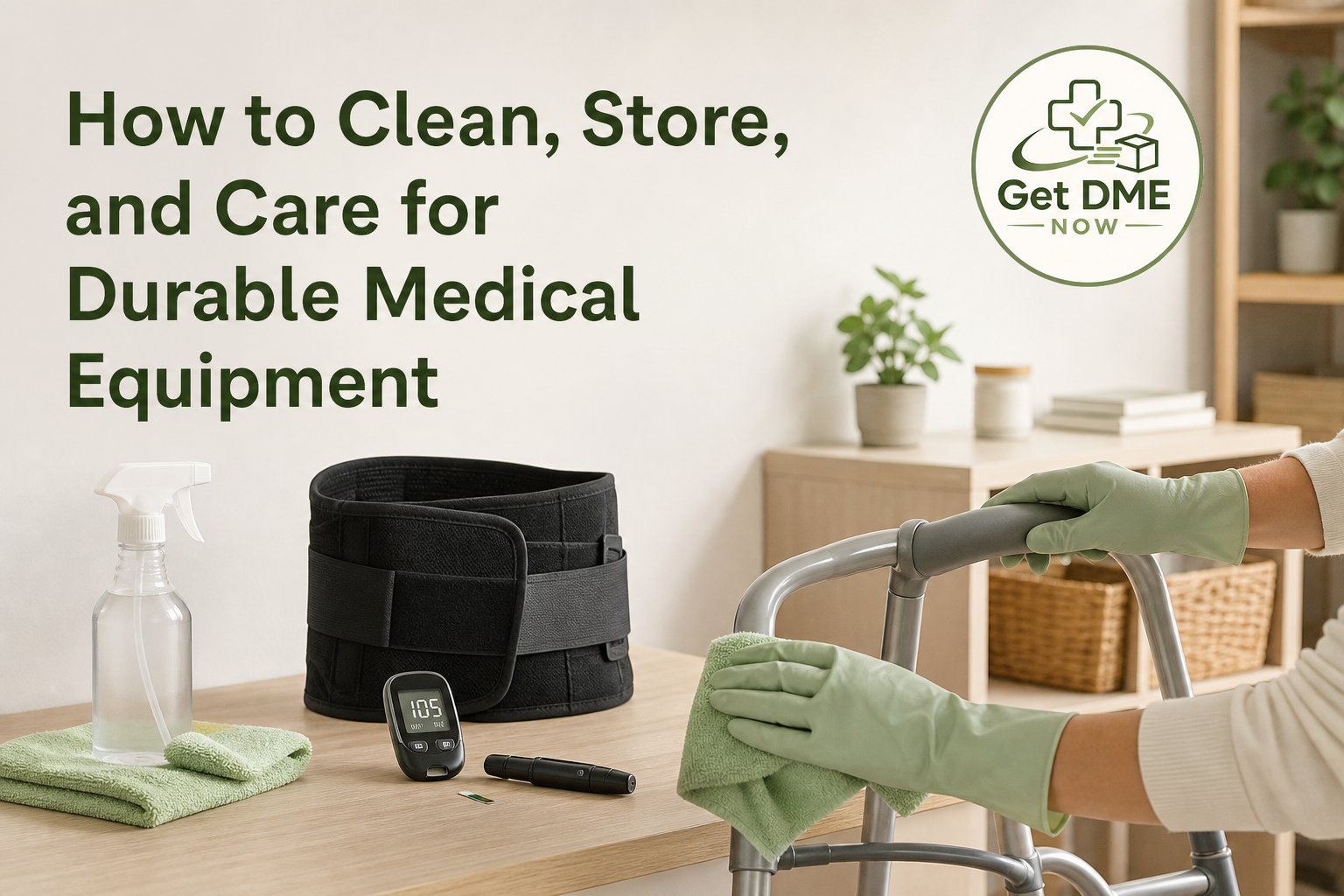
- Clean DME using recommended cleaning supplies and schedules
- Wash hands before and after handling equipment
- Follow instructions for cleaning removable parts, such as cushions, braces, or device reservoirs
Supporting Proper Use
Caregivers can assist with:
- Helping the individual use the device as recommended
- Ensuring accurate positioning or placement
- Encouraging regular use of devices that support mobility, compression, or daily care as needed
It’s valuable to involve the person using the equipment whenever possible—empowerment and collaboration are important parts of daily care.
Recordkeeping and Communication
Keeping Track of Supplies
DME usage often involves ongoing supply needs, such as test strips, sensors, infusion sets, or batteries. Caregivers may:
- Track inventory with a simple notebook or calendar
- Reorder supplies before stocks run low
- Follow recommended disposal methods for used items
Documenting Issues and Updates
If equipment problems arise, documentation is key:
- Keep a log of any device malfunctions, alerts, or changes in function
- Record when maintenance or repairs occur
- Share important details with healthcare providers and suppliers
Open communication with equipment providers like Get DME Now can help resolve supply or equipment issues quickly.
Maintenance and Troubleshooting
Routine Equipment Care
Regular maintenance can help extend the life of equipment. This may include:
- Checking and tightening screws or attachments
- Lubricating moving parts as recommended
- Inspecting power cords and connections
- Updating device software (if applicable)
Knowing When to Seek Help
If equipment shows signs of malfunction or is not working as expected:
- Stop using the equipment until it can be assessed
- Contact the supplier or manufacturer for guidance
- Check with the prescribing healthcare provider for advice on alternate arrangements if needed
Never try to repair advanced medical equipment without proper training—safety is always the top priority.
Understanding Insurance and Documentation
Supporting Prescriptions and Claims
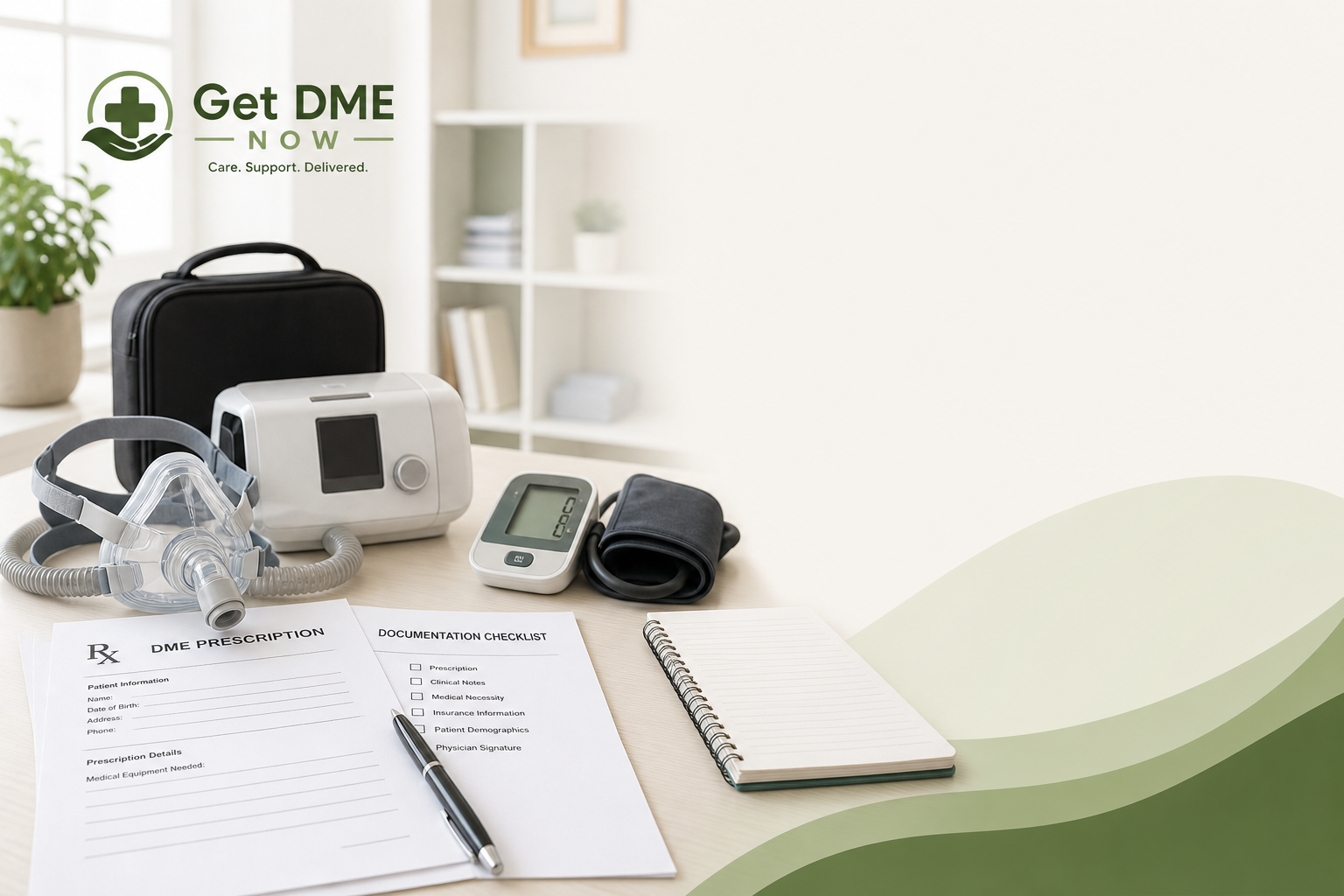
Durable medical equipment is often covered through insurance for eligible individuals, but approval, reimbursement, and restocking may require specific documentation. Caregivers can assist by:
- Collecting and retaining prescriptions or provider letters
- Completing forms provided by suppliers or insurance plans
- Keeping copies of receipts, delivery confirmations, and communication
- Marking calendars for reorder dates to avoid lapses in supplies
Remember that coverage requirements, eligibility, and out-of-pocket costs can vary by plan and equipment type. Professional DME suppliers like Get DME Now can clarify many of these questions and help manage paperwork where appropriate.
Tips for Coordinating With Healthcare Providers
Effective DME management is a team effort. Caregivers can support positive outcomes by:
- Accompanying the individual to medical appointments (as permitted)
- Bringing records of equipment issues and usage to discuss with providers
- Taking notes on new instructions or changes in prescriptions
- Asking about updates or alternative equipment if needs change
Always encourage open dialogue between the individual, healthcare provider, and DME supplier.
Organizational Tools and Strategies
Creating a DME Care Checklist
Consider developing a simple checklist for daily, weekly, and monthly equipment tasks. This can:
- Improve consistency
- Prevent missed cleanings or maintenance
- Help new or substitute caregivers learn the routine
Organizing Supplies and Storage
Practical tips include:
- Clearly labeling storage containers and drawers
- Keeping frequently used items within reach
- Storing manuals and instructions in a dedicated folder
- Regularly reviewing expiration dates on medical supplies
Common Questions for Caregivers to Ask
Asking the right questions helps ensure safe and effective care. Some important questions include:
- What is the purpose of each piece of equipment?
- How often does it require cleaning or maintenance?
- What are the signs that something is not working correctly?
- Who should be contacted if there is a problem with the device?
- What supporting documentation does insurance require?
- Are there specific safety considerations in the home?
Supporting the Well-Being of Both Caregiver and Recipient
Caring for someone with DME brings physical and emotional demands. Caregivers should also make time for their own well-being. Recommendations include:
- Taking regular breaks and asking for help when needed
- Seeking peer support or educational resources
- Staying informed about updates in equipment or care techniques
Get DME Now offers educational content, eligibility checks, and knowledgeable assistance to lighten the burden of equipment management. Visit getdmenow.com for more information about services and support.
Caregiver Resources and Helpful Contacts
- Manufacturer and supplier customer service lines for equipment questions
- Local home health agencies for in-person training or support
- National caregiver support organizations for peer advice
- Healthcare providers, nurses, or case managers for clinical concerns
Get DME Now provides reliable support for caregivers and recipients, answering questions about equipment options, insurance requirements, and delivery processes.
Conclusion
Supporting a loved one who relies on durable medical equipment is a meaningful responsibility that brings unique challenges and rewards. From daily cleaning to insurance paperwork, caregivers play a vital role in making sure equipment supports safety, comfort, and independence. Remember, every situation is unique—consult a healthcare provider for personalized instructions and support.
Choosing durable medical equipment is a personal process that may involve your healthcare provider, insurance plan, medical documentation, and individual needs. Get DME Now helps make the process easier to understand by providing helpful information and assistance with eligible equipment options. To learn more, visit 🌐 getdmenow.com.