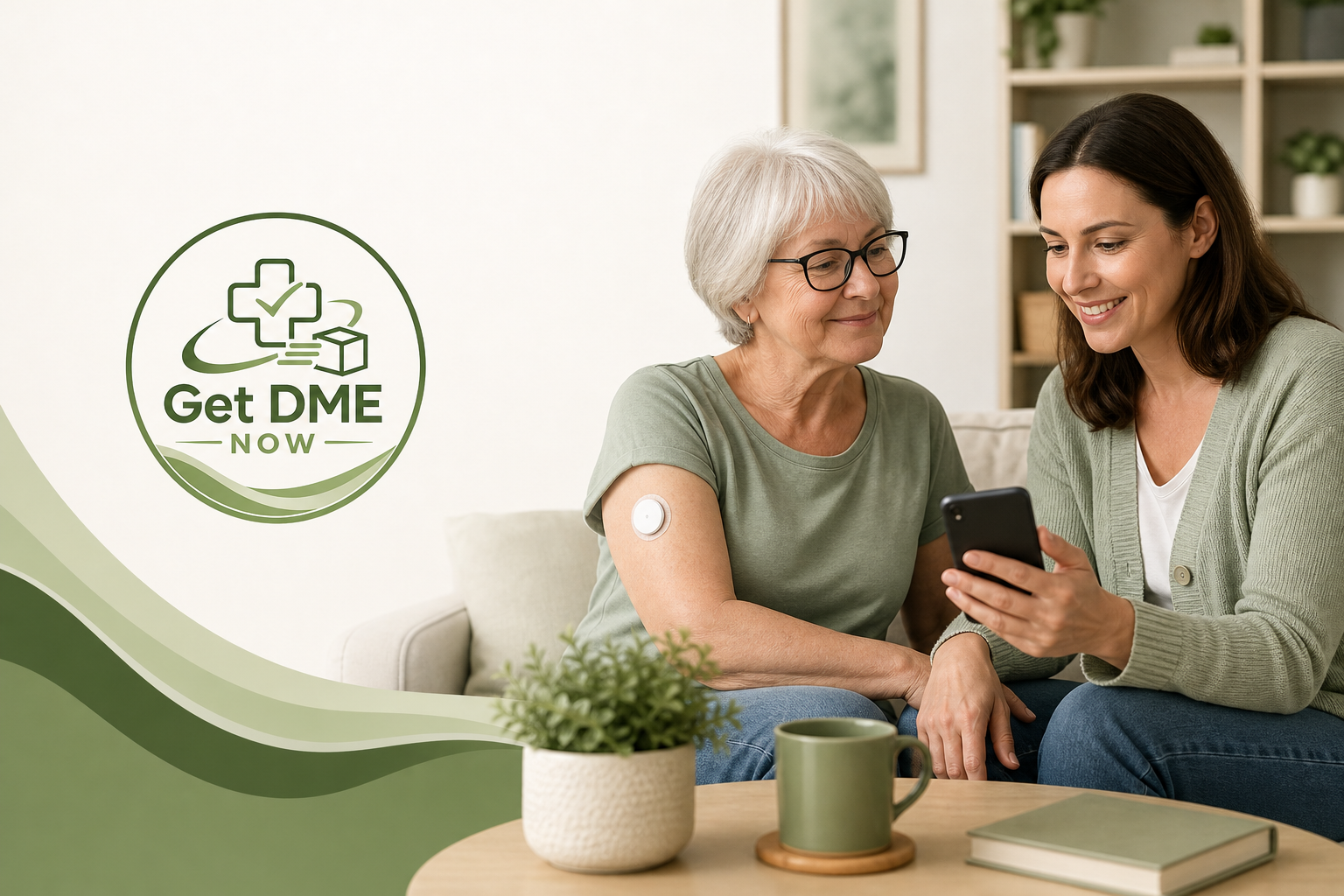
Sharing CGM Data With Family: Privacy and Permission Essentials
Continuous glucose monitoring (CGM) systems have transformed the way people manage diabetes, offering real-time insights into glucose trends and helping to inform everyday decisions. One of the powerful features of modern CGMs is the ability to share glucose data with trusted family members, caregivers, or even healthcare providers—often in real-time or via regular updates. While this can provide peace of mind and an additional layer of support, it also raises important questions about privacy and controlling who can access sensitive health information.
This article from Get DME Now offers practical guidance on how CGM data sharing works, how to set privacy and permissions, and what to consider before deciding who can view your readings.
Understanding CGM Data Sharing
Sharing CGM data involves transmitting real-time or historical glucose readings from your device to another person’s phone, tablet, or web portal. This can be helpful for:
- Family members who want to support a loved one's diabetes management
- Parents monitoring a child's glucose trends
- Adult children checking in on aging parents
- Caregivers or close friends who may need to respond in emergencies
Most CGM systems offer easy-to-use sharing features, but it’s important to understand how these features operate and what information is shared.
How CGM Data Sharing Works
Most modern CGM systems are compatible with smartphone apps or dedicated receivers. These apps often include an option to invite others—sometimes called “followers” or “caregivers”—to view real-time glucose readings, trend graphs, and in some cases, receive alerts or notifications if glucose levels go too high or low.
Some common ways CGM data can be shared include:
- App-based sharing: Via apps on both the user’s and the recipient’s smart devices
- Email or web portals: Some systems allow data to be periodically uploaded and accessed online by authorized users
- Text notifications: Automatic alerts about urgent situations sent via SMS (when supported)
Privacy Considerations When Sharing CGM Data
While sharing data provides benefits, it also opens up privacy concerns. Health information—especially data tracked minute-by-minute—can be highly personal.
Why Privacy Matters
- Sensitive health data: Glucose readings may reveal patterns about meal times, lifestyle habits, and overall health
- Personal boundaries: Not everyone wants all aspects of their health visible to others
- Digital security: Shared data travels over wireless networks and digital platforms, which require security measures
Questions to Ask Before Sharing
Before sharing CGM data, consider:
- Who do you want to share data with, and why?
- What information will they be able to see (real-time values, alerts, daily summaries)?
- Is the recipient comfortable using the required app or technology?
- Are there limits on how much data is visible, or for how long?
- Can sharing be turned off or adjusted at any time?
It’s important to weigh support and safety against digital privacy and autonomy.
Managing Permission Settings for CGM Data
CGM systems come with various privacy and permission settings, allowing you to control exactly how much information is shared and with whom. Each brand and app may differ, but most include the following options:
Typical Permission Settings
- Add or remove followers/caregivers: Choose who is allowed access
- Set alert preferences: Decide which alerts are sent to followers (e.g., only severe lows)
- View or share: Some systems allow followers to receive alerts only (without seeing all details)
- Time-limited access: Grant sharing for a set period (temporary or one-time viewing)
- Revoke permissions: Stop sharing at any time if circumstances change
How to Adjust Permissions
- Access the app’s sharing or connections menu
- Select or invite individuals by email or phone number
- Review and customize what each recipient can access (where possible)
- Save changes—and review regularly to ensure settings match your preferences
Individual device and app instructions vary, so consult the official user guide or customer support for help. Get DME Now can also assist with general device education.
Who Might Benefit From CGM Data Sharing?
The option to share CGM data may offer benefits to a wide range of people, including:
- Children and teens: Parents can support safe diabetes management for youth
- Older adults: Adult children or caregivers may wish to monitor aging parents
- People at risk of severe lows or hypoglycemia unawareness
- Individuals wanting additional reassurance, support, or accountability
- Those with busy schedules or who travel frequently
Always remember, sharing is a personal choice and not required for every CGM user. What’s right for one household may differ for another.
Balancing Support and Independence
For many, involving family can bring peace of mind. However, it’s also important to maintain a sense of autonomy and privacy. Here are some ideas for keeping the right balance:
- Discuss boundaries openly: Have a conversation about what is being shared, when, and why
- Set clear expectations: Explain whether you want feedback, emergency contact only, or daily check-ins
- Revisit arrangements regularly: Permission settings can be adjusted if your needs change
Family dynamics vary, and so do comfort levels with sharing medical information. Respecting the preferences of both the person living with diabetes and their supporters is key.
Ensuring Digital Security
When using any medical device that shares data over the internet or Bluetooth, consider general steps to enhance digital security:
- Use strong passwords: Protect device and app logins with unique, complex passwords
- Keep software updated: Install the latest security patches and app updates
- Limit shared devices: Only connect with trusted smartphones, tablets, or computers
- Review access logs: Some apps provide a record of who has accessed data
If you have questions about secure device setup, contact the product manufacturer or ask for general guidance from equipment suppliers like Get DME Now.
How to Start a Conversation About Sharing CGM Data
Deciding to share your CGM data can feel sensitive. Here are a few ideas for starting a productive, supportive conversation:
- “I’m considering sharing my glucose data. Would you be open to helping me monitor things for emergencies?”
- “There are options to share only some alerts or trends. Let’s decide what works best.”
- “I’d like to try sharing for a few weeks to see if it’s helpful for both of us.”
Open communication helps set boundaries, expectations, and reassures everyone involved.
Questions to Ask Before Accepting or Sending Data Sharing Invites
If you are considering allowing someone to follow your CGM data—or have been invited to view someone else’s data—it’s helpful to ask:
- What will I see, and when?
- Will I be responsible for responding to alerts?
- Can I opt out or pause sharing if needed?
- Is this a temporary or ongoing arrangement?
- What is the best way to communicate if I notice something urgent?
Having clear answers supports healthy, respectful support networks.
Discuss With Your Healthcare Provider
Healthcare providers can be valuable partners in decisions about CGM data sharing. Consider asking them:
- Is sharing my real-time data with a family member recommended for me?
- Are there any privacy rules or legal considerations to be aware of?
- How might this impact my care routine?
Your provider may be able to offer advice, discuss your family situation, and help you determine what is best for your needs.
How Get DME Now Can Support You
Navigating the features and privacy options of a CGM is not always simple. Get DME Now provides information and assistance to help you understand your device, permissions, and sharing features. Our team can help answer general questions or direct you to manufacturer resources for brand-specific support. We also make it easier to understand the process of obtaining CGM equipment and using it as part of your diabetes self-management plan.
Learn more about how Get DME Now can support you at 🌐 getdmenow.com.
Conclusion: Sharing CGM Data Is a Personal Choice
Sharing continuous glucose monitoring data with family members may help improve safety and confidence, but it’s important to do so thoughtfully, respecting both privacy and support needs. Understanding available privacy and permission settings allows you to control who sees your data and under what circumstances, helping you strike a balance that works for your unique situation.
Choosing whether—and how—to share CGM data is a personal process that should consider your preferences, health goals, comfort with technology, and family dynamics. Always speak with a healthcare provider if you have questions about your individual needs or device features.
Get DME Now is here to provide education, guidance, and assistance with eligible equipment options for people managing diabetes. To explore more resources or receive answers to your questions, visit 🌐 getdmenow.com.