How Insurance Coverage for Durable Medical Equipment Works
Navigating the world of durable medical equipment (DME) can often feel overwhelming, especially when it comes to understanding insurance coverage. Whether you are new to DME or looking to update your current equipment, knowing how insurance works with these essential items is key to making confident and informed decisions. This guide walks you through the basics, clarifies common questions, and explains how Get DME Now can support you every step of the way.
What Is Durable Medical Equipment (DME)?
Durable Medical Equipment refers to medical devices and supplies used to treat or manage a health condition at home or in a care setting. DME is designed for long-term or repeated use and may help people maintain independence, improve comfort, or support daily living activities.
Some examples of DME include:
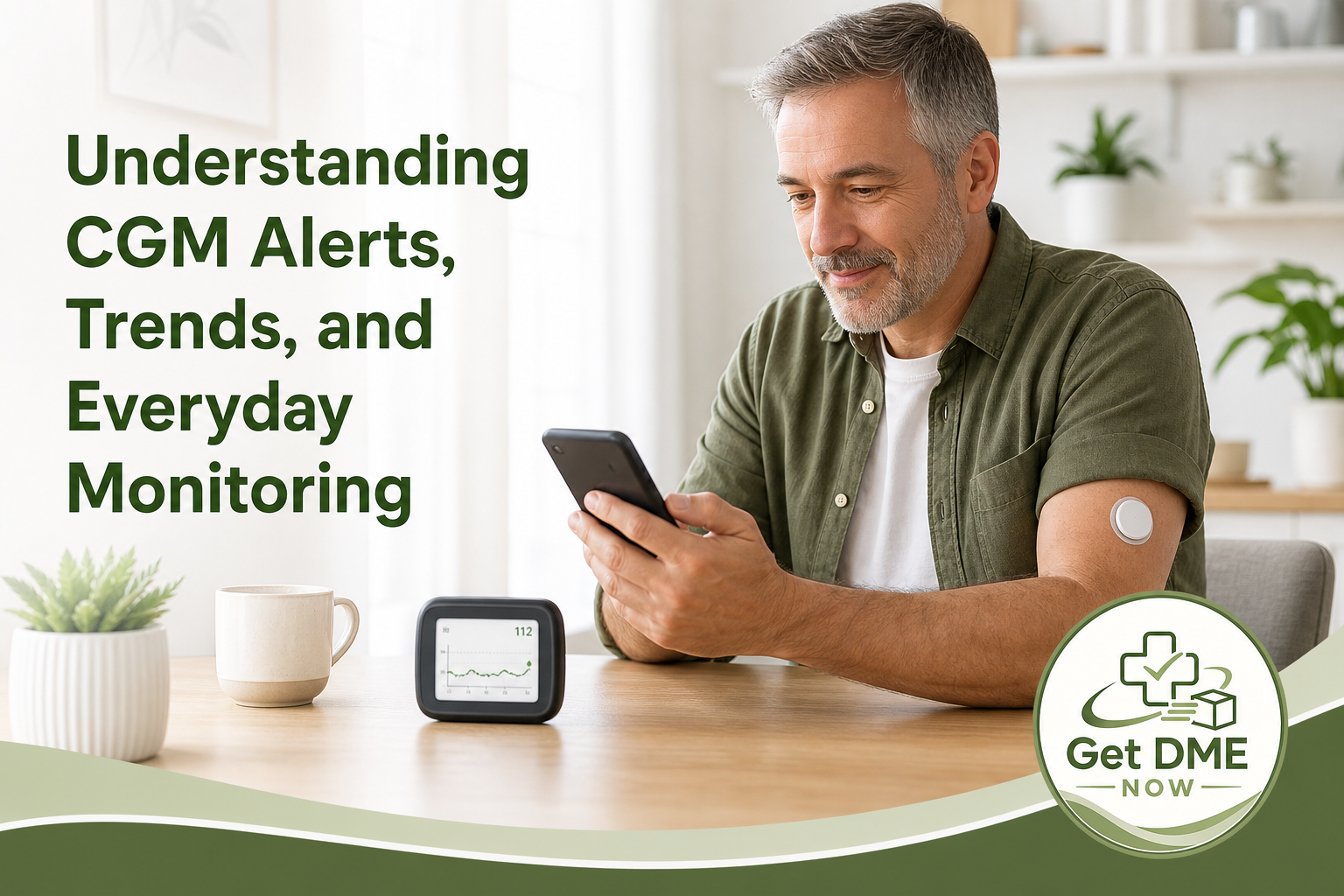
- Blood glucose monitors and Continuous Glucose Monitoring (CGM) systems
- Insulin pumps
- Blood pressure monitors
- Orthopedic and back braces
- Wheelchairs, walkers, and mobility aids
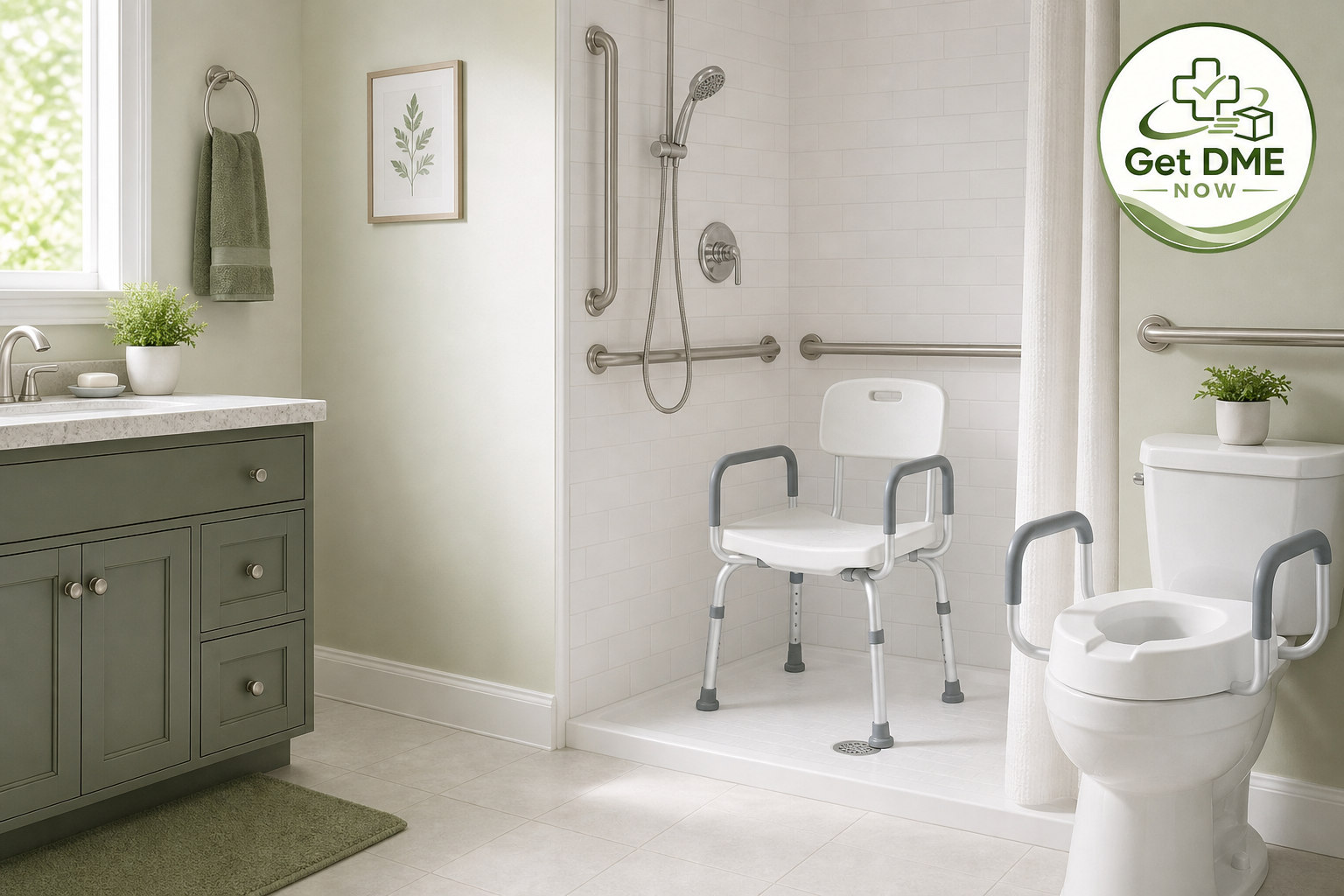
- Bathroom safety equipment, such as shower chairs and grab bars
- Compression therapy devices
Each of these items is intended to support specific health needs. However, not all equipment is automatically covered by every insurance plan, so understanding your benefits is important.
How Does Insurance Generally Cover DME?
Insurance coverage for DME is determined by several factors, including your medical necessity, insurance provider, and policy details. While Medicare, Medicaid, and many private insurance plans may help with the cost, specific requirements and coverage amounts vary.
Key Points About DME Insurance Coverage
- Medical Necessity: Coverage is often based on whether a healthcare provider prescribes the equipment as medically necessary for a diagnosed condition.
- Prescription and Documentation: Most insurance plans require a valid prescription and, in some cases, supporting medical documentation from your healthcare provider.
- Plan Guidelines: Every insurance policy has its own list of covered DME, known as a formulary or ‘covered items’ list.
- Supplier Standards: Insurance companies may require you to use approved or in-network DME suppliers, such as Get DME Now, to qualify for coverage.
- Prior Authorization: For certain equipment, insurance plans may require prior authorization—meaning approval from the insurance company before equipment is provided.
- Co-pays and Deductibles: You may be responsible for a portion of the cost, depending on your plan, deductible, and co-pay structure.
Types of Insurance and How They Approach DME
Medicare
Medicare, a federal program primarily for adults age 65 and older or people with certain disabilities, has specific guidelines for DME coverage under Medicare Part B. Generally, Medicare may cover medically necessary DME prescribed by a healthcare provider and supplied through approved vendors, but requirements and out-of-pocket costs can vary.
- Coverage is often 80% of the Medicare-approved amount after the deductible is met; the remaining 20% is typically the patient’s responsibility.
- Not every piece of equipment is covered—only those listed as Medicare-approved DME.
- A face-to-face visit with a healthcare provider may be required for certain items.
Medicaid
Medicaid is a state and federally funded program that provides health coverage for people with limited income. Medicaid’s coverage for DME is determined at the state level, so covered items, amounts, and processes can vary widely.
- States set their own guidelines for DME coverage, meaning it’s important to check with your local Medicaid office or DME supplier about specific eligibility.
- Prescriptions and supporting documents are almost always required.
Private Insurance
Many private health insurance plans, including employer-sponsored and individual plans, offer some level of DME coverage. Benefits depend on the specific policy and the insurance company.
- Some private plans have detailed formularies (lists of covered equipment).
- Pre-authorization is commonly needed for higher-cost or more specialized equipment.
- You may be required to meet a deductible or pay a share of the cost.
Understanding the Eligibility Process
Securing insurance coverage for DME generally involves several steps:
- Consult your healthcare provider: Discuss your health needs and ask if DME may assist with your care plan.
- Receive a prescription: Your provider must supply a prescription that meets your insurance plan’s requirements.
- Choose a qualified DME supplier: Work with an approved vendor, such as Get DME Now, who understands the documentation and insurance process.
- Submit proper documentation: This may include proof of medical necessity such as chart notes, diagnoses, and records of recent healthcare visits.
- Supplier submits a claim: The DME supplier will usually submit the insurance claim on your behalf after verifying that all requirements are met.
- Wait for authorization (if required): Some plans require prior authorization before dispensing equipment.
- Receive equipment: Once approved, the equipment is delivered and can be put to use as instructed by the healthcare provider and equipment manufacturer.
What Should You Ask About DME Insurance Coverage?
When considering DME, it’s helpful to ask your healthcare provider and DME supplier key questions:
- Is this equipment likely to be covered under my insurance plan?
- What documentation will my provider need to supply?
- Does my insurance plan require prior authorization?
- Will I have a co-pay or deductible for this equipment?
- Am I required to use particular DME suppliers?
- How long does insurance approval typically take?
Bringing these questions to your conversations can help streamline the process and prevent delays.
Common Misunderstandings About DME Coverage
Several misconceptions can arise when exploring DME coverage. Here are a few common misunderstandings:
- "All medical equipment is automatically covered by insurance."
- Coverage varies by plan and medical necessity; not all equipment is covered.
- "You don’t need a prescription for DME."
- Most insurance, including Medicare and Medicaid, requires a prescription and documentation.
- "Once approved, equipment is always free."
- Even with approval, there may still be out-of-pocket costs depending on your coverage.
- "I can use any supplier."
- Many plans require equipment to be provided by a participating or in-network supplier.
Documentation Requirements: A Closer Look
Insurance documentation requirements help confirm the medical necessity and appropriateness of DME. Documentation may include:
- Detailed prescription from a licensed healthcare provider
- Office or clinical notes supporting the diagnosis
- Information about previous treatments or solutions attempted
- Evidence that the equipment is intended for home use
Get DME Now can guide you and your healthcare team through the necessary paperwork to help make this process easier to understand.
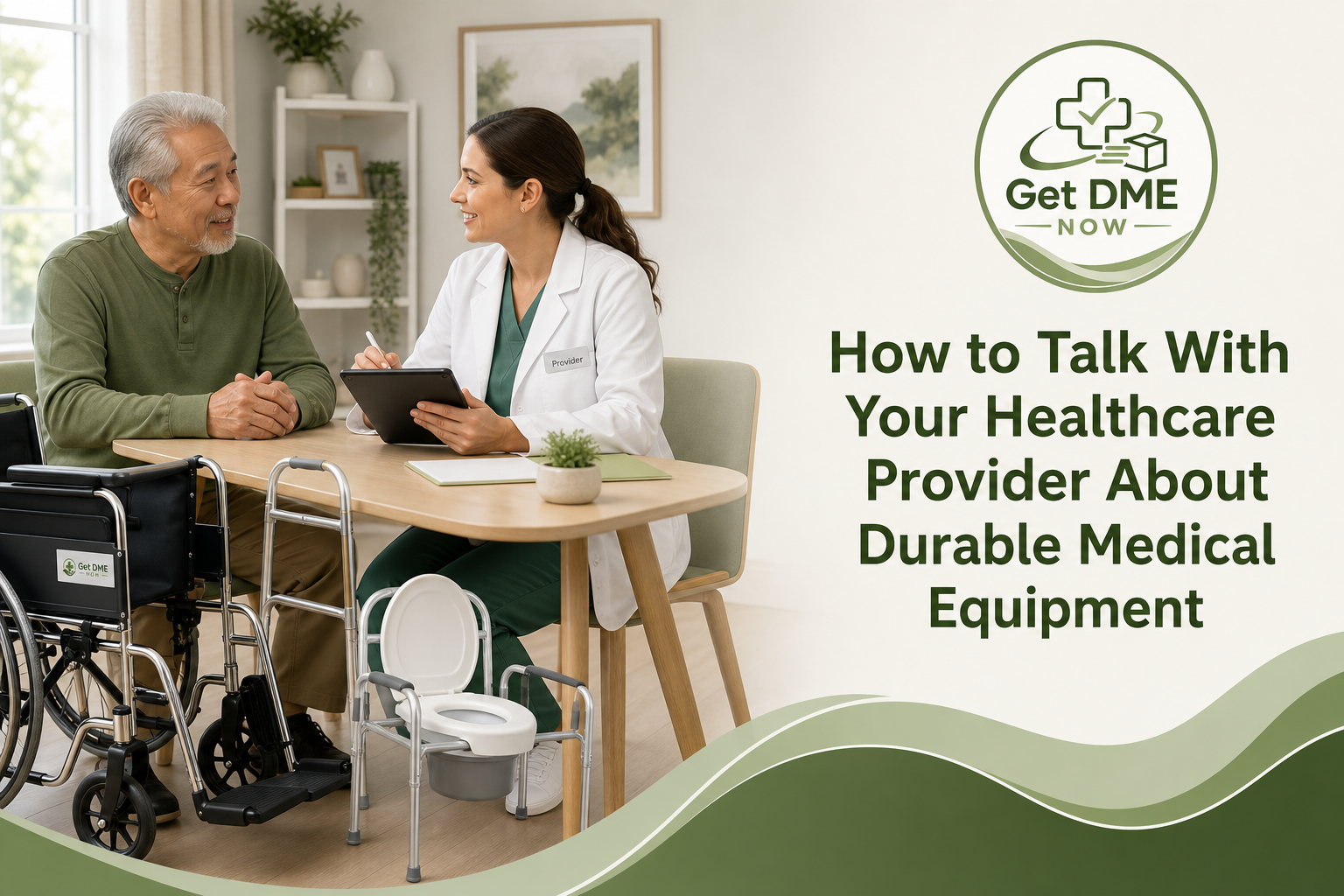
The Role of the Healthcare Provider
Your healthcare provider plays a pivotal role in recommending DME, documenting medical necessity, and providing the required paperwork. Clear communication between your healthcare provider, insurance plan, and DME supplier—such as Get DME Now—can help prevent unnecessary delays in receiving your equipment.
How Get DME Now Supports You
Navigating insurance coverage for DME doesn’t have to be complicated. The experienced team at Get DME Now works closely with you, your healthcare provider, and your insurance plan to help identify eligible equipment, submit the required paperwork, and clarify next steps.
- Personalized assistance with understanding coverage options
- Guidance on insurance requirements and documentation
- Direct coordination with healthcare providers
- Prompt and secure equipment delivery
To learn more about our services and resources, visit 🌐 getdmenow.com.
Practical Tips for Navigating DME Insurance
- Always consult your healthcare provider before pursuing DME
- Gather necessary paperwork early, including prescriptions and documentation
- Ask your insurer and supplier about approved products and network requirements
- Keep copies of documentation for your records
- Double-check details about co-pays, deductibles, and authorizations
- Work with a reputable DME supplier, such as Get DME Now, to avoid delays
Conclusion: Understanding Insurance Coverage for Durable Medical Equipment
Understanding how insurance coverage for durable medical equipment works is a crucial step toward making informed choices for your health and well-being. The process generally involves consultation with your healthcare provider, meeting plan requirements, and working with an approved supplier. Coverage and costs can differ based on your insurance plan, type of equipment, and supporting documentation.
Choosing durable medical equipment is a personal process that may involve your healthcare provider, insurance plan, medical documentation, and individual needs. Get DME Now helps make the process easier to understand by providing helpful information and assistance with eligible equipment options. To learn more, visit 🌐 getdmenow.com.