How to Prepare Your Home for New Medical Equipment
Introducing new medical equipment into your home marks an important step in managing health, supporting daily living, or assisting a loved one. Whether it’s a continuous glucose monitor, a mobility aid, a back brace, or another type of durable medical equipment (DME), proper set-up and preparation can make your experience more comfortable, efficient, and safe. In this guide, Get DME Now offers proven steps to help individuals and families get ready for an equipment delivery.
Understanding Why Home Preparation Matters
Medical equipment can have a meaningful impact on quality of life. Preparing your home in advance helps ensure:
- Equipment is used safely and correctly
- Your daily routine flows smoothly
- Hazards and clutter are minimized
- The setup is comfortable and private
- Supplies are accessible and easy to maintain
Every home is unique, so following sensible, adaptable steps can help. If your device is being prescribed or recommended by a healthcare provider, ask for any specific instructions that apply to your circumstances.
Types of Medical Equipment That May Require Home Preparation
Depending on your needs, common types of medical equipment that may arrive at your home include:
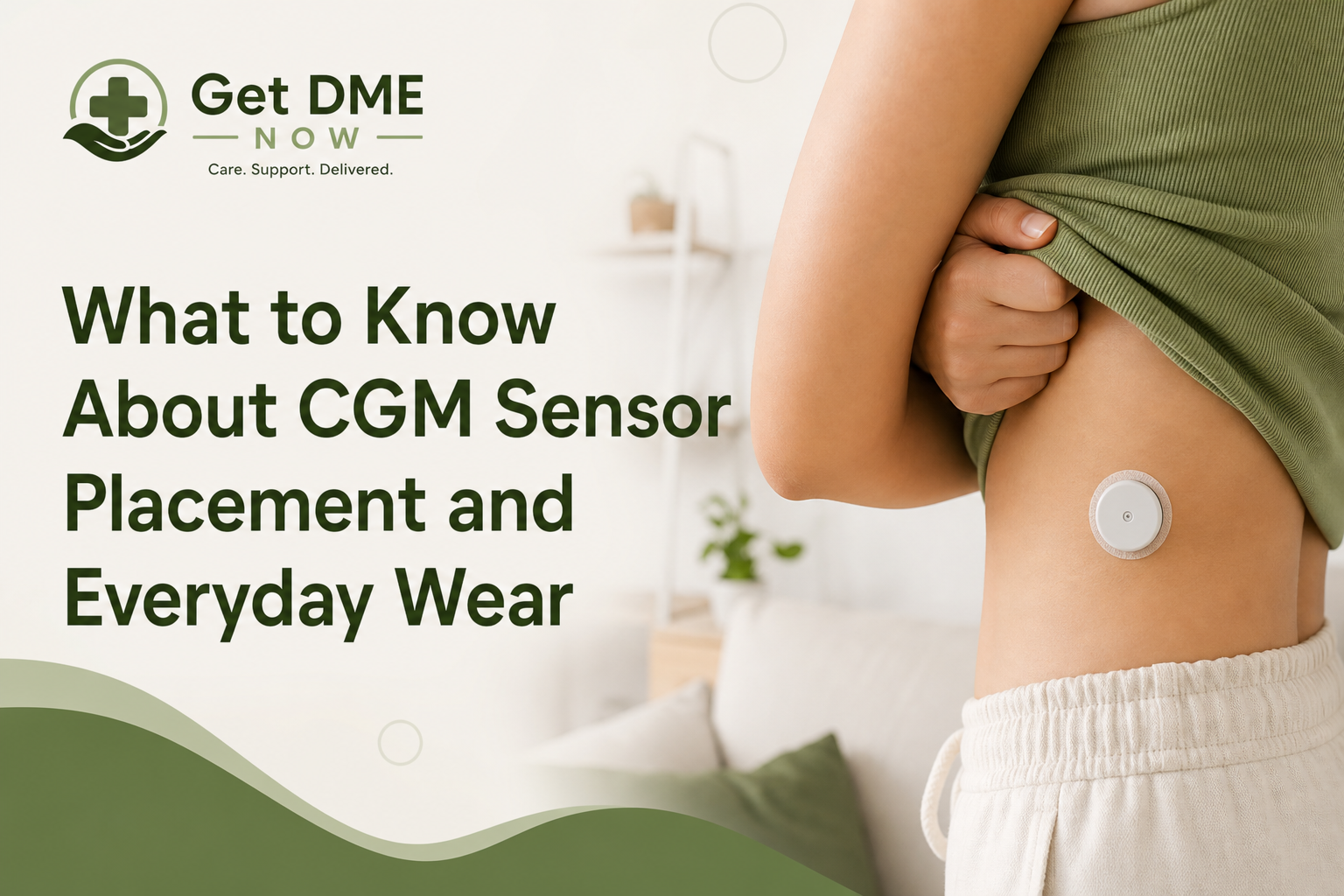
- Continuous glucose monitors (CGM) and their receivers
- Blood glucose meters
- Insulin pumps
- Back braces and orthopedic supports
- Bathroom safety equipment (grab bars, shower seats)
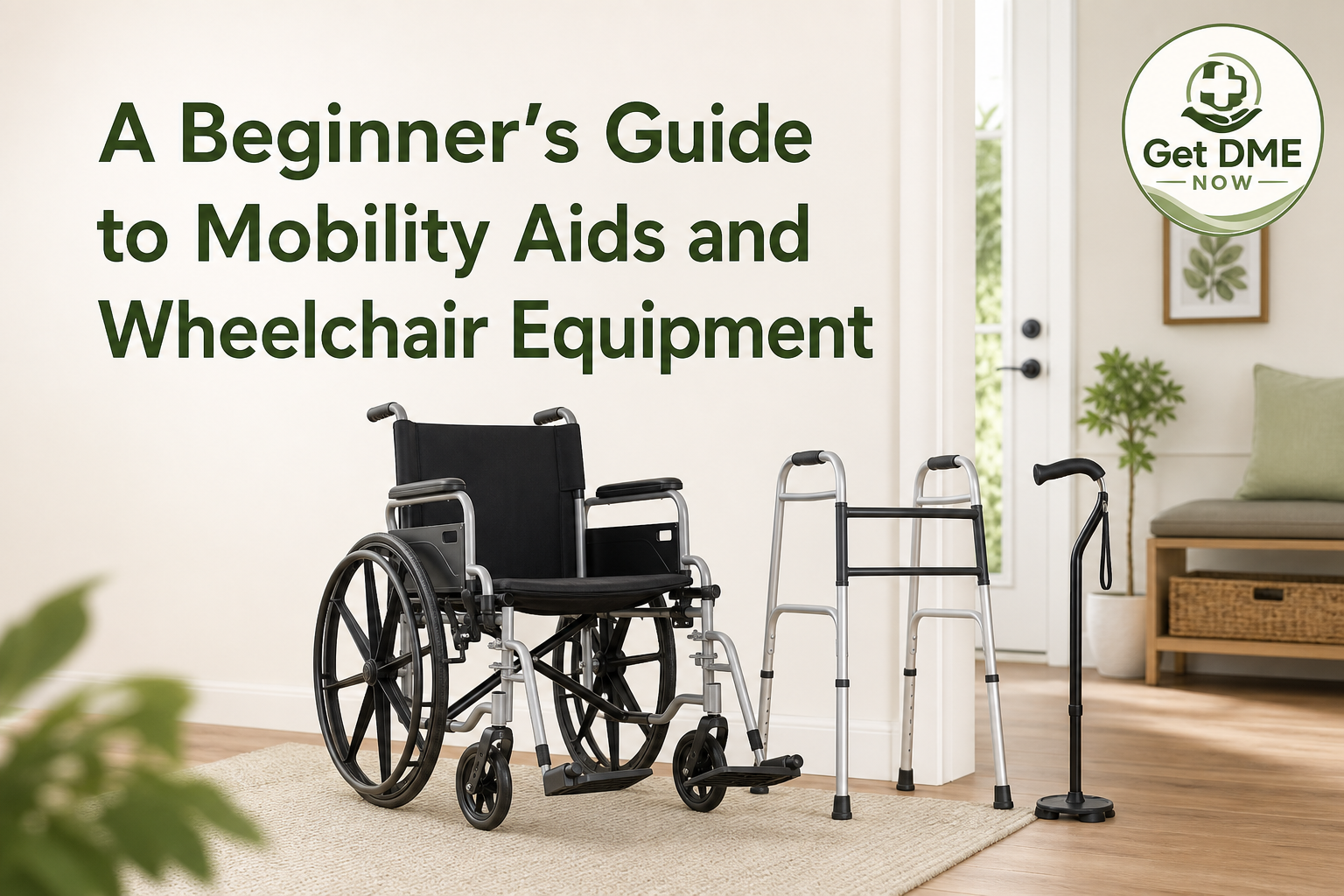
- Wheelchairs and mobility devices
- Compression devices
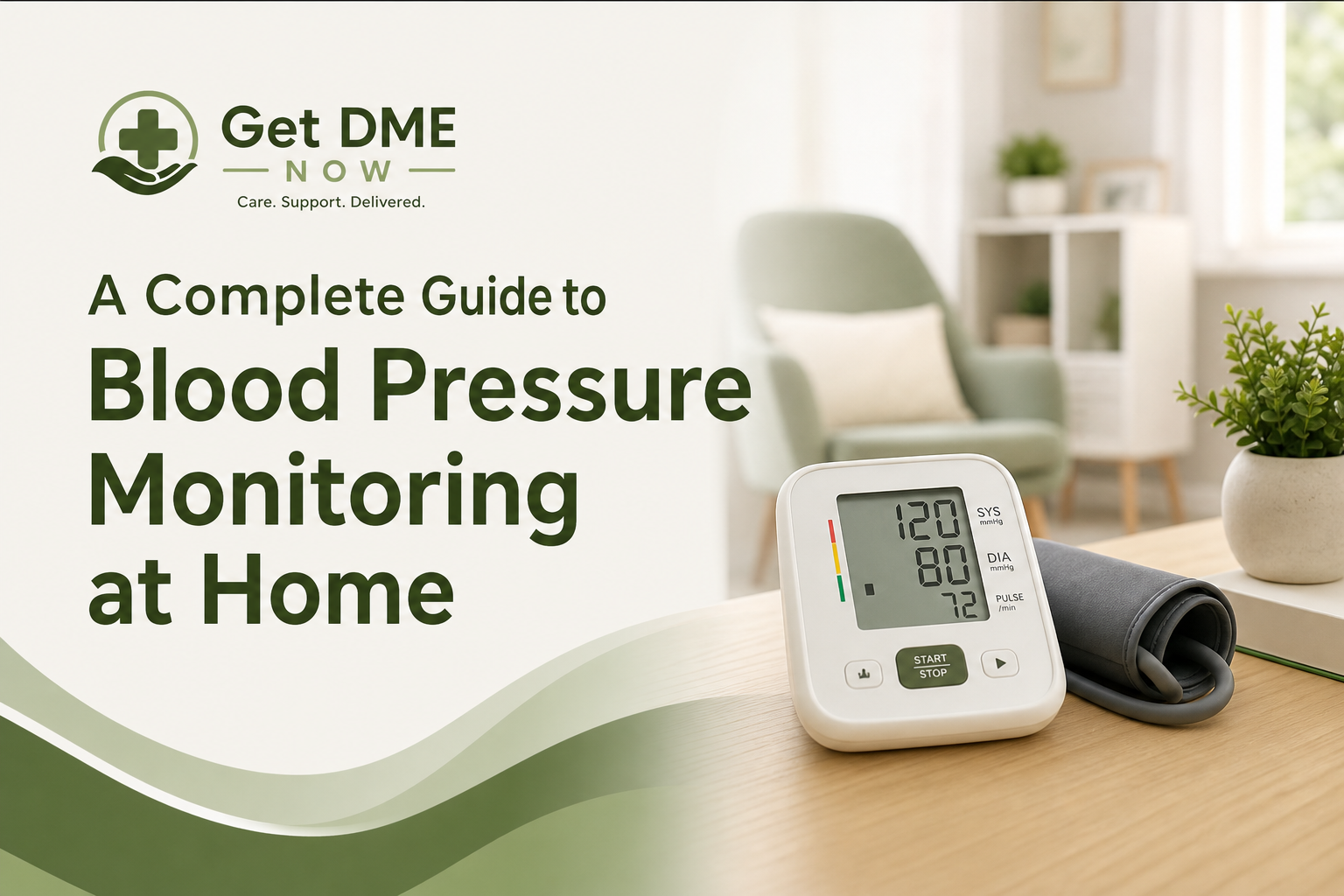
- Blood pressure monitors
- Nutritional support products
- Medical supply storage systems
Get DME Now provides many of these products and can guide you through each stage of the process. Visit 🌐 getdmenow.com to learn more about available equipment and support resources.
Step 1: Know What to Expect From Delivery
Before your equipment arrives, confirm details about the delivery process:
- How will it arrive? Will the equipment be delivered to your door, or will you need to pick it up? Some items are shipped; others may require set-up by a professional.
- What’s included? Ask your equipment provider about what comes in the package — the main device, accessories, manuals, cleaning tools, or batteries.
- Who can answer questions? Keep the contact information for your supplier — such as Get DME Now — easily available in case questions come up on delivery day.
Step 2: Assess and Prepare the Space
Walk through your living area with these points in mind:
Accessibility and Pathways
- Clear pathways of clutter, cords, rugs, and obstacles.
- Ensure doorways are wide enough for larger equipment like wheelchairs or walkers.
- Arrange furniture so you have direct access to the equipment’s intended location.
Safety and Stability
- Choose a stable surface (such as a sturdy table or countertop) for smaller devices.
- Ensure power outlets are nearby if your device requires charging or plugging in.
- Keep liquids and food away from electronics.
- Remove tripping hazards, such as loose rugs, especially if the equipment will be used by someone with limited mobility.
Comfort and Privacy
- Select an area with suitable lighting for reading displays and using devices.
- Make sure there’s a comfortable seat if you need to spend time with the equipment.
- If privacy is important (for changing dressings, using infusion sets, or applying supports), consider a screen or a separate room.
Step 3: Plan for Storage and Organization
Keeping your equipment and supplies organized helps you:
- Find items quickly
- Keep everything sanitary
- Track when to reorder supplies
Tips for organizing:
- Use labeled storage bins or baskets for accessories and spare parts.
- Dedicate a shelf or cabinet to medical supplies, keeping them separate from household items.
- Store user manuals and instructions nearby for easy reference.
- Designate a container for sharps, if required by your equipment (such as used lancets or needles).
- For smaller supplies, clear, stackable containers work well and keep everything visible.
Step 4: Ensure Cleanliness and Hygiene
Medical equipment must be kept clean to function properly and help reduce infection risk. Here’s how to prepare:
- Wipe down surfaces where you’ll store or use medical devices.
- Clean your hands thoroughly before handling new equipment.
- Set up a hand sanitizer station nearby if appropriate.
- Keep cleaning supplies — such as alcohol wipes, mild soap, or approved cleaners — close to where equipment will be used, but out of reach of children or pets.
- Have a plan for safe disposal of any packaging, wrappers, or one-time-use items.
Step 5: Review Instructions and Documentation
Every piece of medical equipment comes with user instructions. Take time to:
- Read manuals ahead of time, if you receive them before your equipment arrives.
- Watch any video tutorials provided by the manufacturer or by Get DME Now, if available.
- Make a list of questions to ask your medical provider or equipment supplier.
- Note warranty information and keep support numbers handy.
Step 6: Prepare for the First Use
The first time you use new equipment can feel overwhelming. These tips can help make the process smoother:
- Set aside quiet, uninterrupted time for setup.
- Arrange for a family member, friend, or caregiver to assist if desired.
- Make sure you can sit comfortably and have any required supplies — including batteries or charging cables — ready.
- Follow each instruction carefully rather than rushing.
- If a healthcare provider is supervising the first use, arrange the space so it’s comfortable for both of you.
Step 7: Think About Ongoing Maintenance
Maintaining your equipment helps it last longer and work as intended. Prepare by:
- Designating an area for cleaning and drying equipment after use
- Scheduling regular checks for battery life, damage, or wear
- Keeping spare parts, replacement batteries, or consumable supplies on hand
- Marking your calendar for regular cleaning or replacement intervals recommended by the manufacturer or your medical provider
Step 8: Prepare for Emergencies
Have a plan in place if you encounter a power outage, equipment malfunction, or supply shortage:
- Know how to use manual backups, such as a spare blood glucose meter
- Keep your supplier’s contact info (like Get DME Now) easily accessible
- Maintain a minimal supply of essential consumables
- Ask your healthcare provider about what to do if your device has an alarm or error code
Frequently Asked Questions About Preparing for New Medical Equipment
What if my home is small or lacks storage?
Even in compact spaces, you can organize equipment by:
- Using vertical storage such as shelves or wall hooks
- Keeping only necessary items out and storing extras elsewhere
- Frequently decluttering to stay organized
How do I know if my set-up is safe?
If you’re unsure, ask your equipment provider or healthcare team for guidance. Some suppliers offer set-up support or telehealth walk-throughs.
Can my caregiver help with set-up?
Absolutely. Caregivers may be involved in the preparation, set-up, or maintenance of equipment. Make sure they read the manuals and are familiar with safety measures.
What if I have pets or small children at home?
Store equipment and small accessories out of reach. Secure cords and keep packaging or sharps containers locked away.
Who do I contact if my equipment doesn’t fit or work as expected?
Contact your equipment provider — such as Get DME Now — immediately. They can help troubleshoot issues or adjust delivery plans.
The Role of Get DME Now in Home Preparation
Get DME Now is dedicated to making the process of receiving and integrating new medical equipment as smooth as possible. Their support includes:
- Helping you understand what equipment and supplies you will receive
- Answering questions about space and set-up
- Providing educational resources and product instructions
- Offering phone support at (347) 888-9608 to address concerns
To learn more about preparing your home and what to expect, you can visit 🌐 getdmenow.com.
Conclusion: Making Medical Equipment Work for You
Preparing your home for new medical equipment is an important part of maximizing comfort, safety, and effectiveness. From clearing pathways to organizing supplies, each step is designed to support your daily routine and meet your individual needs. Remember, every home and user is unique, so work closely with your healthcare provider and equipment supplier for personalized support.
Choosing durable medical equipment is a personal process that may involve your healthcare provider, insurance plan, medical documentation, and individual needs. Get DME Now helps make the process easier to understand by providing helpful information and assistance with eligible equipment options. To learn more, visit 🌐 getdmenow.com.