Understanding Back Brace Sizing, Fit, and Proper Use
Choosing the right back brace and using it correctly can be an important part of supporting back comfort and stability. Whether you’re exploring back braces as recommended by a healthcare provider after an injury, surgery, or for general support, it’s crucial to understand how sizing, fit, and proper use contribute to safety and effectiveness. In this guide, Get DME Now explains the essentials of finding, fitting, and wearing a back brace as part of your durable medical equipment journey.
What Is a Back Brace?
A back brace is a supportive device designed to limit movement, provide stability, or assist posture in the spine and lower back. There are many types of back braces, each suited to different needs. Some are lightweight and flexible for mild support, while others are rigid for specific conditions or post-surgical protection.
Common Reasons Back Braces Are Recommended
- To support the back and reduce movement post-surgery or injury
- To encourage proper posture and alignment
- To help manage certain types of back pain, based on provider recommendations
- To assist with lifting or repetitive activity, as advised by a medical professional
It’s important to note that the choice to use a back brace should always be based on the recommendation of a qualified healthcare provider.
The Importance of Proper Sizing
The effectiveness and comfort of a back brace depend greatly on proper sizing. An ill-fitting brace may provide inadequate support or cause discomfort.
Why Sizing Matters
- Comfort: A brace that is too tight may cause skin irritation, restricted movement, or breathing difficulties. Too loose, and it may slip or fail to support you.
- Support: Optimal fit ensures the brace provides the intended support to the appropriate area of the back.
- Safety: Proper sizing can help prevent potential complications or misuse.
How to Measure for a Back Brace
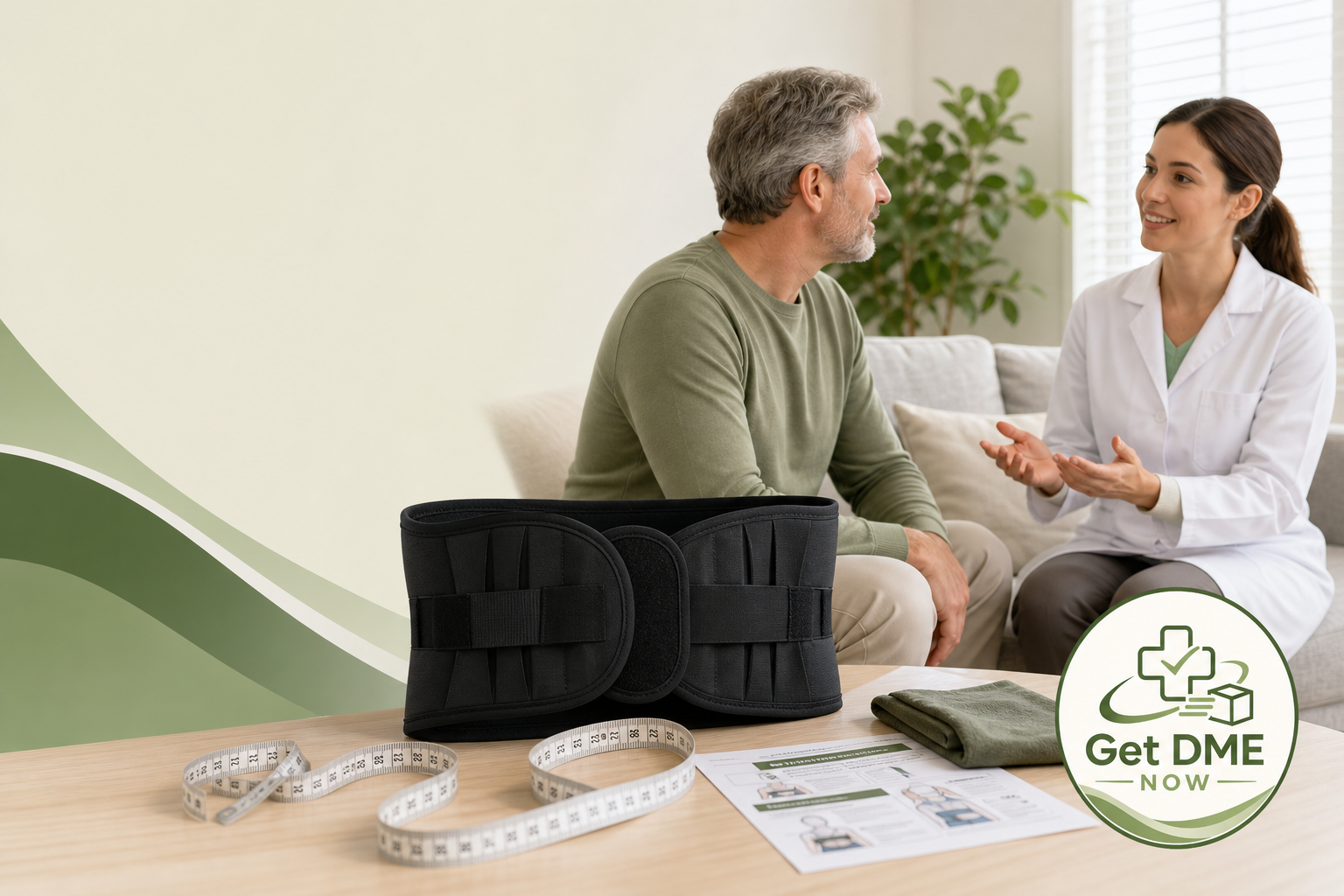
Each brace design may have its own sizing guide. While it’s important to check the instructions provided with your specific device, common measurements include:
- Waist Circumference: Often measured just above the hip bones (typically around the navel).
- Torso Length: For braces that support the lower back and upper spine, a measurement from the base of the neck to the top of the hip may be needed.
- Other Measurements: Chest, hips, or injured area, depending on the design.
Tip: Measure without bulky clothing and use a soft measuring tape for accuracy. If you’re between sizes, follow the device manufacturer’s recommendation or ask your provider for guidance.
Choosing the Right Fit
A well-fitted brace should:
- Feel snug but not constrictive
- Cover the prescribed area, without slipping or shifting
- Allow for comfortable breathing and some movement
- Avoid creating pressure points or pinching skin
If you experience pain, numbness, skin discoloration, or swelling while wearing the brace, remove it and reach out to your healthcare provider to discuss the fit and next steps.
How Back Braces May Support Daily Living
When fitted and used properly, back braces may help by:
- Providing gentle spinal support during activity
- Promoting better posture
- Limiting movement after specific injuries or surgery (per provider’s instructions)
- Reducing discomfort related to certain back conditions
Back braces are not a substitute for prescribed therapy, exercise, or medical treatment, but they can be an important part of a comprehensive care plan.
Proper Use: Putting On and Taking Off a Back Brace
Correctly putting on (donning) and taking off (doffing) your back brace is key to both safety and effectiveness.
General Steps for Wearing a Back Brace
- Check Fit Each Time: Before use, ensure the brace is clean and undamaged.
- Position the Brace: Align the brace as instructed—often with the wider part over the lower back.
- Secure Fasteners: Most braces use Velcro, straps, or buckles. Tighten until snug but not restrictive.
- Check Movement: Stand, sit, and move gently to ensure comfort and security.
- Double-Check: Make sure the brace is not shifting or wandering out of alignment.
- Follow Wear Schedule: Wear the brace only as directed by your provider—usually for certain activities or periods.
Never alter the brace or try to self-diagnose your wear schedule. Use instructions from your healthcare provider and the device packaging.
Wear and Care Tips
Proper care can help keep your back brace comfortable and functional:
- Inspect Regularly: Look for signs of wear, damage, or soiling.
- Clean as Directed: Most braces can be wiped down or hand-washed; always follow manufacturer guidelines.
- Store Properly: Keep your brace in a cool, dry location when not in use.
- Avoid Modifications: Do not modify the brace’s structure or padding without provider guidance.
Common Questions When Considering a Back Brace
Q: Who decides if I need a back brace? A: Only a healthcare provider can determine whether a back brace is appropriate for your situation.
Q: Can I get a back brace over-the-counter? A: Some simple supports are available over-the-counter. However, stronger supports, post-surgical braces, or those for injury typically require a prescription and may be covered through insurance with documentation of medical need.
Q: Can I wear the brace all day? A: Wear schedules vary and should be based on provider instructions. Overuse may contribute to muscle weakness or skin issues.
Q: Will insurance help pay for a back brace? A: Insurance coverage varies. Many plans may cover a prescribed back brace if certain criteria are met. The team at Get DME Now can help check eligibility and walk you through the process—visit getdmenow.com to learn more.
Q: Can I exercise while wearing a back brace? A: This depends on your individual condition and your provider’s guidance. Never begin or change any exercise routine without professional advice.
Working with Get DME Now for Your Back Brace
Get DME Now provides personalized assistance in navigating the process of selecting and fitting a back brace. Our team works with your healthcare provider to help clarify insurance questions, assist with documentation, and explain available options. We are committed to supportive, professional service at every step.
For more details and supportive resources about back braces and other durable medical equipment, visit 🌐 getdmenow.com.
Signs Your Back Brace May Not Be the Right Fit
A back brace may require adjustment or replacement if:
- It causes discomfort, pinching, or pressure sores
- It slips out of place or doesn’t stay secure
- You experience new pain or numbness while using it
- Fasteners no longer hold or are damaged
If you notice any of these issues, stop using the brace and consult with your healthcare provider. Sometimes a small fit adjustment can make all the difference.
When to Speak with Your Healthcare Provider
It’s always a good idea to check in with a healthcare provider when starting, stopping, or changing any medical device. They can assess your needs, answer questions, and help tailor instructions to your unique circumstances.
Conclusion
Understanding back brace sizing, fit, and proper use is an essential step toward safe and effective support. These devices may provide added comfort and structure when worn under your provider’s direction and when sized properly. Remember, the right brace, fit, and guidance make all the difference. If you have questions or need assistance, the team at Get DME Now is here to help you every step of the way.
Choosing durable medical equipment is a personal process that may involve your healthcare provider, insurance plan, medical documentation, and individual needs. Get DME Now helps make the process easier to understand by providing helpful information and assistance with eligible equipment options. To learn more, visit 🌐 getdmenow.com.