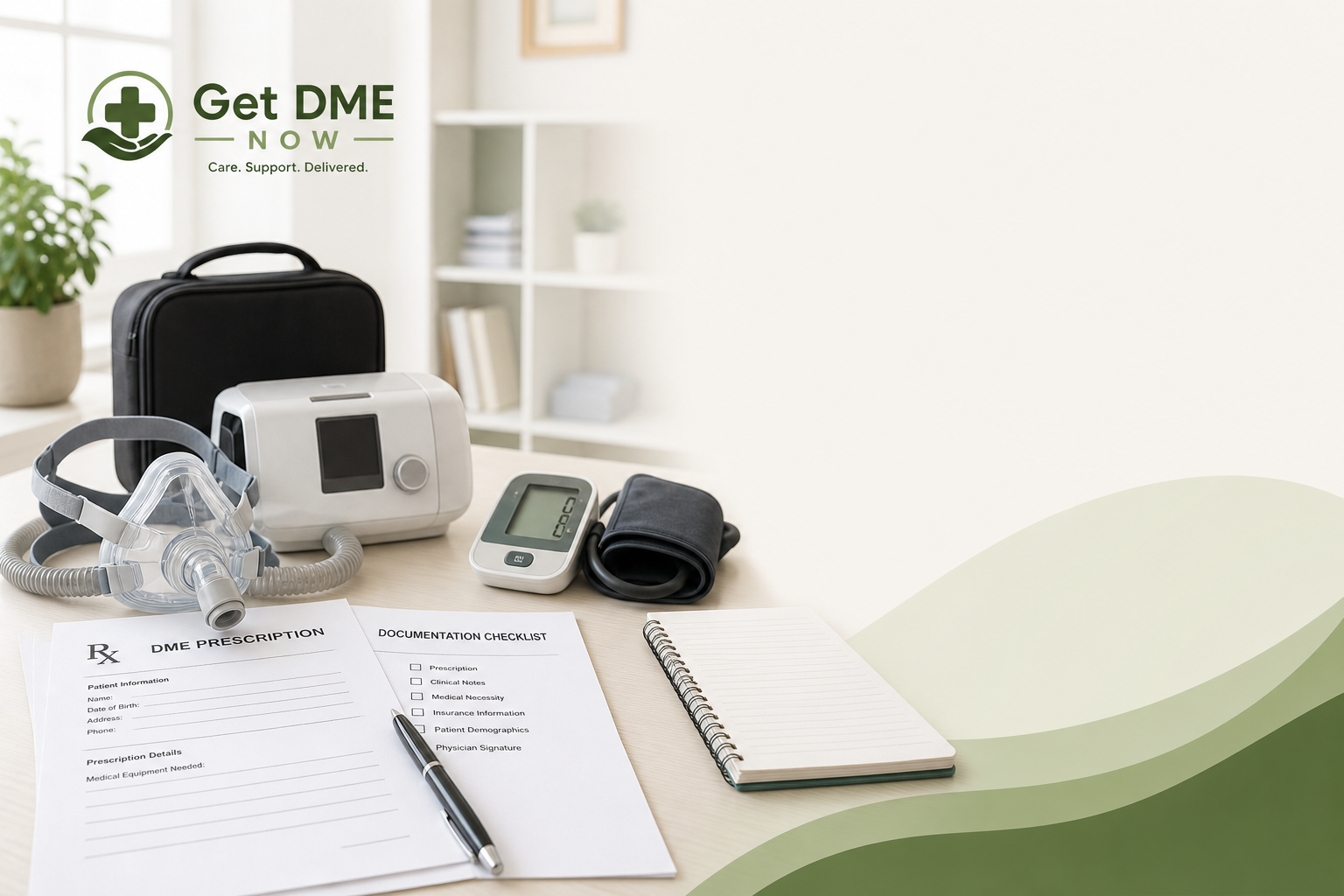
Understanding DME Prescriptions, Documentation, and Insurance Requirements
Durable medical equipment (DME) plays an essential role in supporting daily living and healthcare needs at home. From mobility aids and orthopedic supports to diabetes supplies, DME is often a life-changing resource. However, getting the equipment you need typically involves a detailed process, including prescriptions, medical documentation, and insurance requirements. Understanding each step can make navigating the process smoother and more predictable.
In this article, we’ll walk you through what to expect when you need DME, focusing on how prescriptions, paperwork, and insurance are all connected. We’ll also clarify the role of suppliers like Get DME Now and provide practical guidance to help you move forward with confidence.
What Is Durable Medical Equipment (DME)?
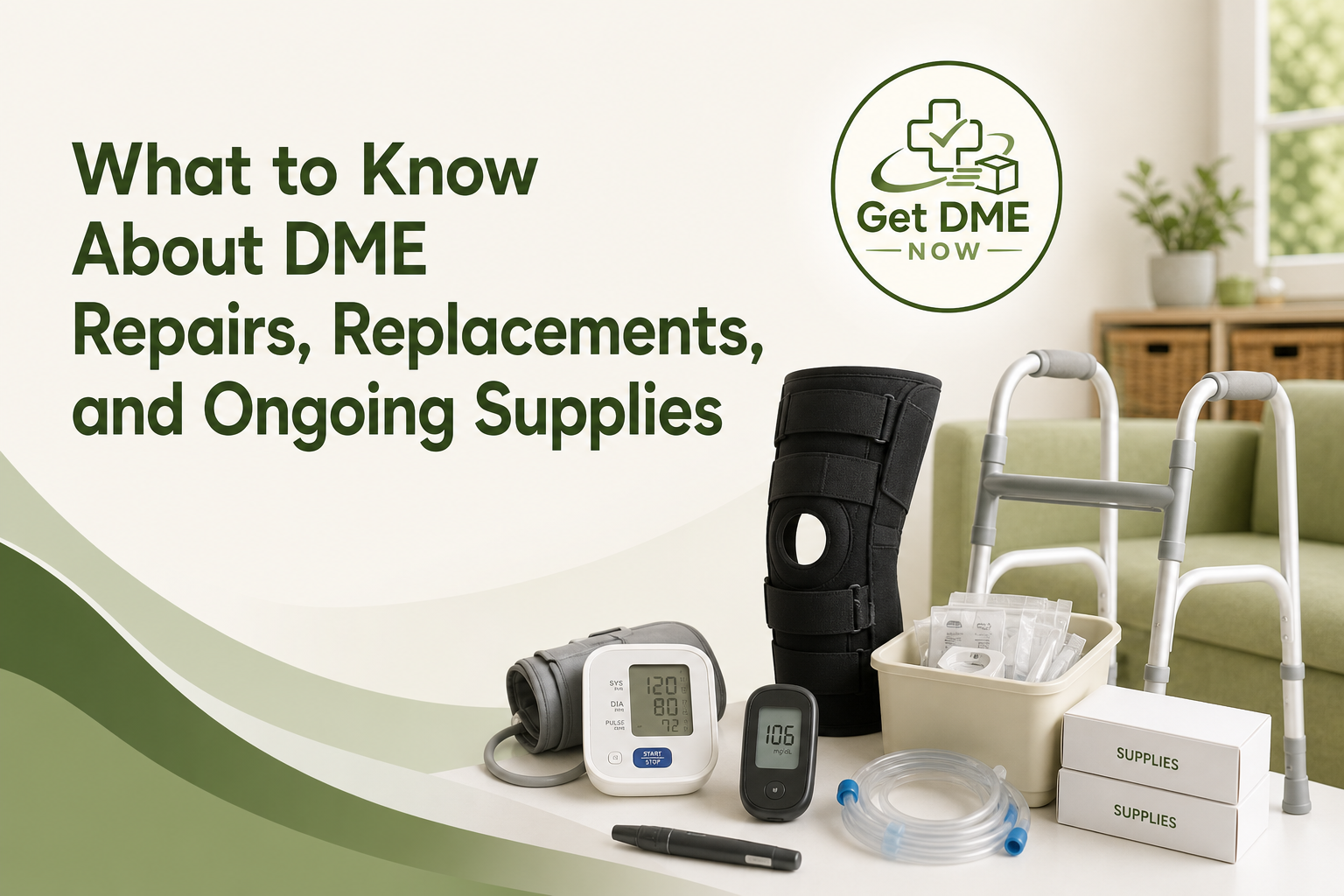
Durable medical equipment consists of medically necessary devices prescribed by a healthcare provider for use in the home over an extended period. Examples include:
- Blood glucose monitors and continuous glucose monitoring (CGM) systems
- Insulin pumps and related diabetes management devices
- Back braces and orthopedic supports
- Wheelchairs, walkers, and other mobility devices
- Compression garments and devices
- Bathroom safety equipment
- Blood pressure monitors
DME is different from disposable medical supplies, as it is intended for repeated, long-term use. Most equipment must be prescribed by a licensed healthcare provider based on a demonstrated medical need.
The Importance of a DME Prescription
A prescription is the foundation for obtaining most types of durable medical equipment. Why is it necessary?
- Medical Necessity: The prescription proves that the equipment is medically necessary for your condition or treatment plan.
- Legal Requirement: Insurance plans and suppliers typically require a valid prescription to provide and bill for DME.
- Documentation: Prescriptions help create a paper trail for insurance claims and support appropriate device use.
What Should a DME Prescription Include?
While requirements can vary, these elements are usually required:
- Patient’s name and basic identifiers
- Prescribing provider’s name and credentials
- Date of prescription
- Specific DME item(s) needed
- Diagnosis or relevant symptoms
- Quantity and duration (how long the equipment is intended for use)
- Provider’s signature
Ask your healthcare provider to be as specific as possible on the prescription to avoid delays in processing.
Understanding Medical Documentation for DME
In addition to a prescription, insurance companies often require additional documentation to process a claim for DME. The kind of documentation needed depends on the type of equipment, insurance provider, and your specific medical circumstances.
Common Documentation Requirements
- Detailed Written Orders: Sometimes, suppliers must receive a written order prior to delivery, detailing what is being prescribed and the exact medical necessity.
- Medical Records: Progress notes, office visit summaries, or chart entries that show the diagnosis, symptoms, or functional limitations supporting the need for equipment.
- Face-to-Face Exam: For certain equipment (like some mobility aids), a face-to-face evaluation with a healthcare provider may be required within a specific timeframe before the equipment is delivered.
- Additional Assessments: Physical therapy or occupational therapy notes, hospital discharge papers, or specialized assessments may also be requested.
It’s a good idea to check with your DME supplier—as well as your insurance plan—regarding exactly what documentation is required for your situation. Get DME Now can help clarify these requirements and work with your provider to gather necessary paperwork.
Insurance Coverage for Durable Medical Equipment
Insurance coverage for DME helps eligible individuals access equipment at lower out-of-pocket costs. However, coverage rules, eligibility, and paperwork requirements vary widely among Medicare, Medicaid, and private insurance plans.
General Steps in the DME Insurance Process
- Receive a Prescription: Your healthcare provider must document medical necessity.
- Document Medical Need: Supporting records are collected to send to the supplier and insurance.
- Supplier Checks Eligibility: The DME supplier (such as Get DME Now) reviews your information and checks your insurance plan for coverage and eligibility.
- Insurance Authorization: Some plans require prior authorization—advance approval before equipment can be delivered and billed.
- Delivery and Billing: After authorization and paperwork are complete, the equipment is delivered and billing submitted to your insurance.
Key Coverage Considerations
- Medical Necessity: Insurance typically covers DME deemed medically necessary and prescribed for use in the home.
- Plan Limitations: Some plans cover certain brands, models, or quantity limits per year or month.
- Deductibles and Copays: Out-of-pocket costs vary. You may be responsible for a deductible or copay, depending on your plan.
- Replacement and Repairs: Most insurance plans have guidelines for how often equipment can be replaced or repaired.
Coverage and requirements for approval are different under Medicare, Medicaid, and private plans. Always speak with your insurance provider or a knowledgeable DME supplier if you have questions about what’s required under your plan.
Frequently Asked Questions About DME Documentation and Insurance
Who can write a prescription for DME?
A licensed healthcare provider, such as a physician, nurse practitioner, or physician assistant, usually writes DME prescriptions. The type of provider required depends on the equipment and insurance policy.
How long is a DME prescription valid?
Prescription validity may vary by insurance plan. Some require new orders after a certain time period or a change in condition. Check with your supplier and insurance provider.
What should I do if documentation is missing or incomplete?
Check with your healthcare provider and your DME supplier. Get DME Now can help identify missing paperwork and coordinate with your provider to obtain what’s needed for your equipment order.
Can I get equipment without insurance?
Many suppliers allow direct payment for DME if you do not wish to use insurance. However, the process described here focuses on insurance-billed equipment and may differ if you’re paying out of pocket.
Can my equipment be delivered before all paperwork is complete?
In most cases, all required documentation—especially insurance-mandated paperwork—must be submitted and verified before equipment can be delivered and billed.
What if my insurance denies coverage?
You may have options, such as providing additional documentation, requesting an appeal, or checking whether alternative equipment is covered. Get DME Now can guide you in understanding your options.
Tips to Make the Process Smoother
- Talk with Your Provider Early: Let your healthcare provider know you’ll need DME and ask them to include all key information in your prescription.
- Stay Organized: Keep copies of your prescriptions, medical records, and correspondence with your insurance provider.
- Check with Your DME Supplier: Suppliers like Get DME Now are familiar with the required paperwork and can help you navigate insurance requirements and deadlines.
- Follow Up Regularly: Checking in with your supplier and insurance provider can help identify and resolve issues before they delay your order.
- Understand Your Coverage: Review your insurance plan, including what equipment is covered and any limits or requirements for repairs and replacements.
The Role of Your Healthcare Provider and DME Supplier
Your healthcare provider is responsible for evaluating your needs, conducting necessary exams, and writing prescriptions and medical orders. Your DME supplier helps gather the required documentation and submits the paperwork to your insurance provider.
Get DME Now works directly with you and your provider to:
- Review prescriptions and make sure all necessary details are present
- Highlight any missing or incomplete information
- Coordinate with your provider to request additional documentation if needed
- Submit paperwork to your insurance for preauthorization, if required
- Help you track the process and answer your questions along the way
Learn more about how Get DME Now assists patients and providers throughout the process at getdmenow.com.
Common Misunderstandings About DME Requirements
"My prescription is enough—why do I need more paperwork?"
Insurance plans frequently require extra documentation to prove ongoing need, confirm correct use, or meet regulatory guidelines. Prescriptions are vital, but supporting notes and records are often still needed.
"All insurance plans cover the same equipment."
Coverage varies widely between plans—even for the same types of equipment. Some plans may require specific brands, prior authorizations, or limit how often equipment may be replaced.
"The process is automatic if my doctor orders it."
Many steps are involved beyond the initial order. Cooperation between your provider, supplier, and insurance plan is necessary to complete required steps and paperwork.
Questions to Ask Your Provider and Supplier
- What paperwork is required for the equipment recommended?
- Has a recent face-to-face evaluation been completed, if needed?
- Is my prescription detailed enough? Does it include all required information?
- What documentation needs to be submitted to my insurance plan?
- Will I need a new prescription or documentation for a renewal, refill, or replacement?
- How long will the insurance authorization process typically take?
Conclusion: Taking the Next Step Toward DME Access
Understanding DME prescriptions, documentation, and insurance requirements is an important step in securing the equipment that supports your health and independence. Every insurance plan’s rules, required paperwork, and timelines can differ, so being proactive and informed can help you avoid unnecessary delays.
Remember, choosing durable medical equipment is a personal process that may involve your healthcare provider, insurance plan, medical documentation, and individual needs. Get DME Now helps make the process easier to understand by providing helpful information and assistance with eligible equipment options. To learn more, visit 🌐 getdmenow.com.
Author: Get DME Now