What Is Durable Medical Equipment and Who May Need It?
Durable medical equipment, often referred to as DME, plays an important role in supporting the health, comfort, and independence of people managing a variety of medical conditions. Whether at home or in care facilities, DME can be essential to daily living, recovery, or long-term support. But what exactly qualifies as durable medical equipment, who might benefit from it, and what should individuals and caregivers know about insurance, prescriptions, and choosing the right equipment? This guide from Get DME Now provides clear, practical answers to these key questions.
Understanding Durable Medical Equipment (DME)
Durable medical equipment is a broad category of medical items that are designed for repeated use, primarily serve a medical purpose, and are appropriate for use in the home or care setting. DME is typically prescribed by a healthcare provider to help individuals manage health needs, recover from injury, or improve quality of life.
Key Features of DME
- Durability: Designed for long-term, repeated use — not disposable after a single use.
- Medical necessity: Used for a medical condition or disability, as recommended by a healthcare provider.
- Appropriate for home use: Intended to be used safely outside of a hospital or clinic.
Examples of Common DME
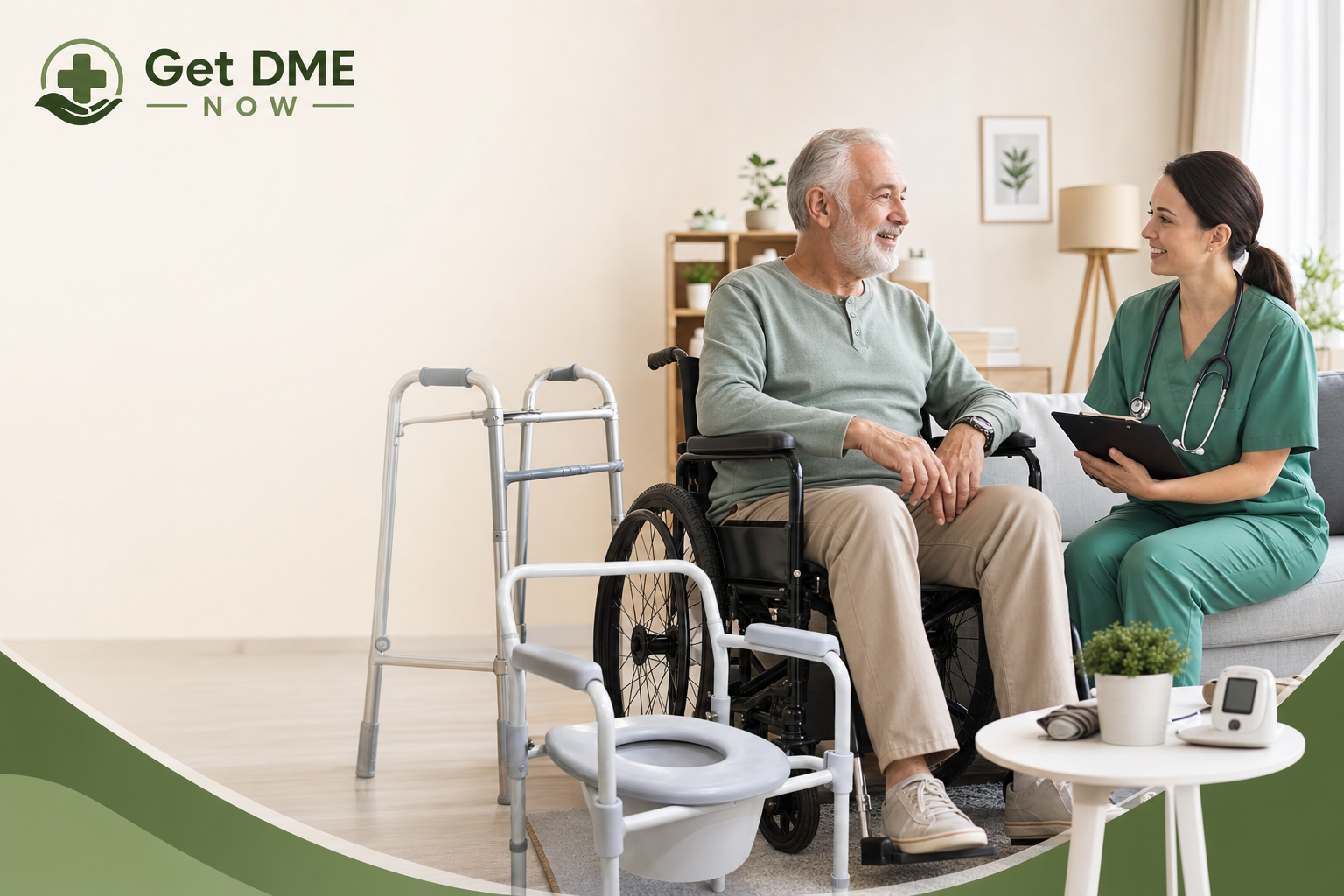
- Wheelchairs (manual and powered)
- Walkers, canes, and crutches
- Hospital beds and bed rails
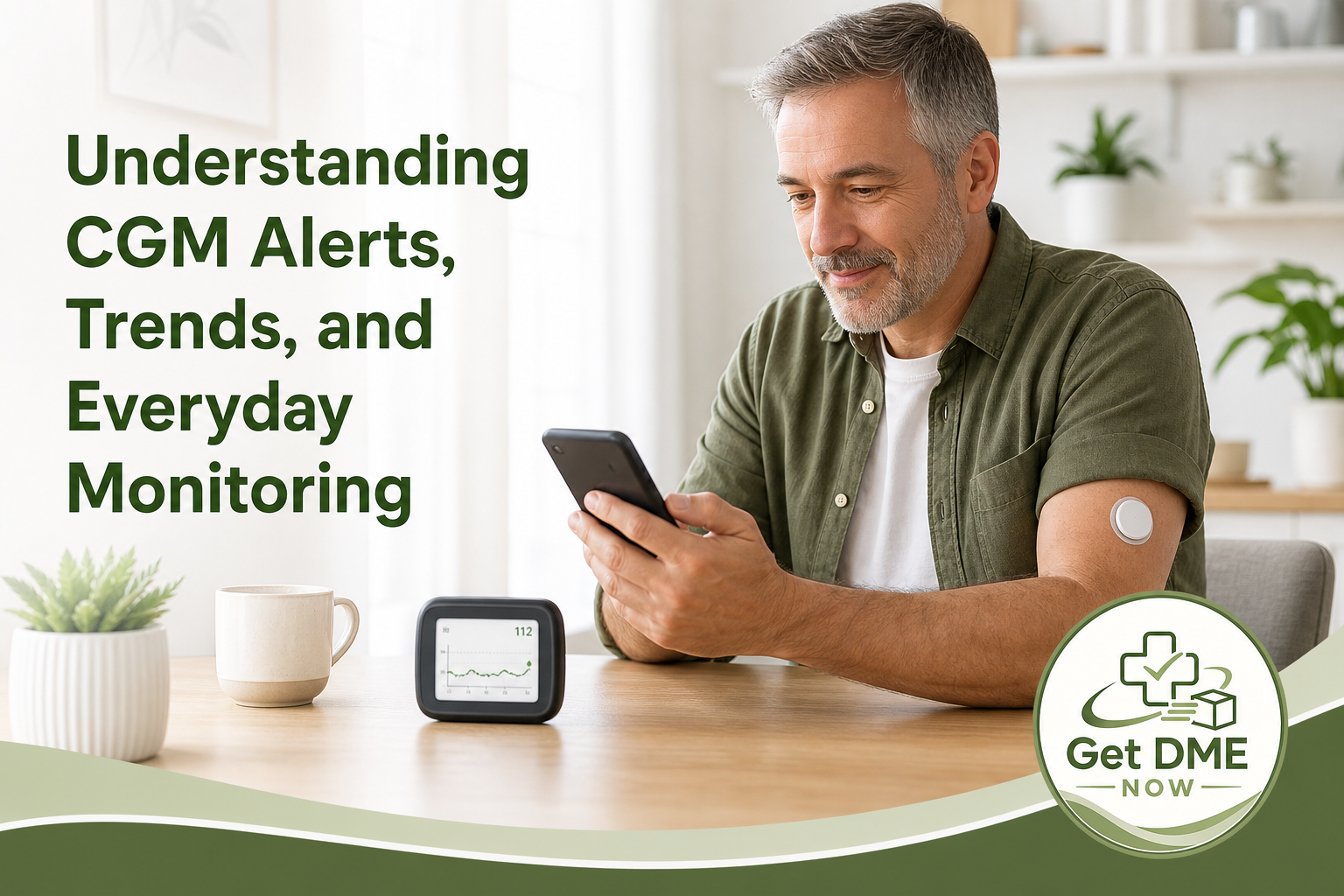
- Continuous glucose monitors (CGMs)
- Blood glucose monitors
- Insulin pumps
- Oxygen equipment and accessories
- Nebulizers and respiratory support devices
- Back braces and orthopedic supports
- Compression therapy equipment
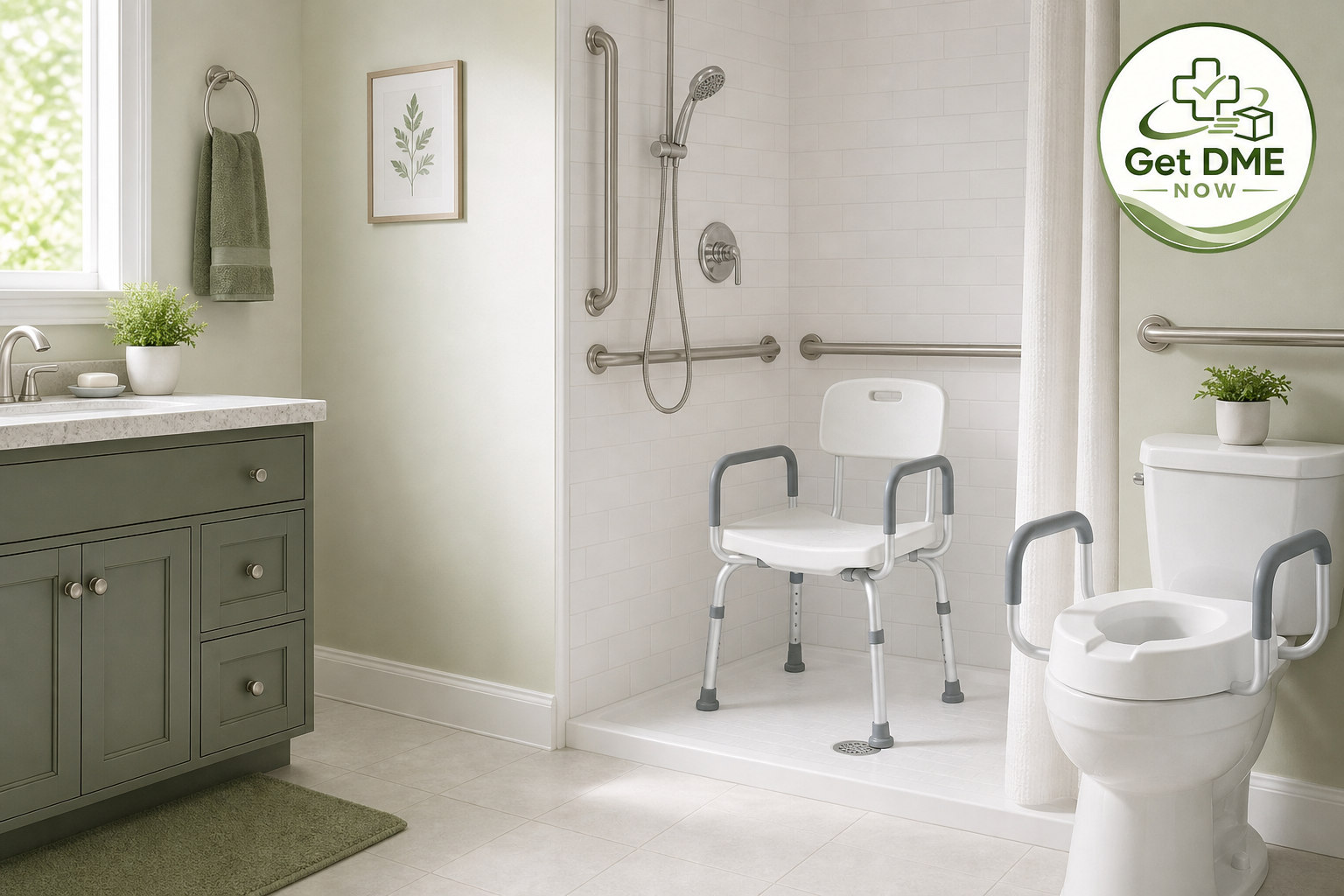
- Bathroom safety equipment (e.g., shower benches, raised toilet seats)
- Blood pressure monitors
It is important to note that not all medical equipment is considered DME. Single-use devices, supplies, or equipment meant only for short-term hospital use usually do not qualify.
Who May Need Durable Medical Equipment?
DME may be used by people of all ages and backgrounds, depending on their health situation. Here are some general groups who may benefit from DME:
1. People Managing Chronic Conditions
Those with long-term conditions, such as diabetes, chronic obstructive pulmonary disease (COPD), heart disease, or arthritis, may require equipment to monitor health, perform daily activities more independently, or manage symptoms.
2. Individuals Recovering from Injury or Surgery
After surgery or injury, mobility devices (like crutches, walkers, braces), wound care devices, or hospital beds may be recommended to aid in safe recovery at home.
3. Older Adults and Seniors
Aging can bring mobility challenges or increased risk of falls. DME such as walkers, bathroom safety rails, and stair lifts may support safety and self-care for seniors.
4. People with Disabilities
DME supports independence, comfort, and participation in everyday life for individuals managing disabilities, including mobility aids, seating systems, and communication devices.
5. Caregivers and Family Members
Family caregivers often rely on DME to assist loved ones at home, facilitating safe support with transfers, bathing, or daily health needs.
6. Children with Medical Needs
Pediatric DME is available for children with conditions that may affect movement, breathing, or daily care. This includes specialized wheelchairs, breathing support, and adaptive equipment.
How Does Durable Medical Equipment Support Daily Living?
DME is not only about managing a health condition — it’s designed to improve safety, comfort, and quality of life at home. Here are some ways DME may help:
- Increases independence for individuals by making daily tasks more manageable
- Reduces risk of injury or falls through mobility aids and home safety equipment
- Assists caregivers in safely supporting loved ones
- Enables monitoring and management of chronic conditions at home
- Supports recovery and rehabilitation after injury or surgery
The right equipment can make a significant difference in confidence and peace of mind for both individuals and caregivers.
How Is DME Prescribed?
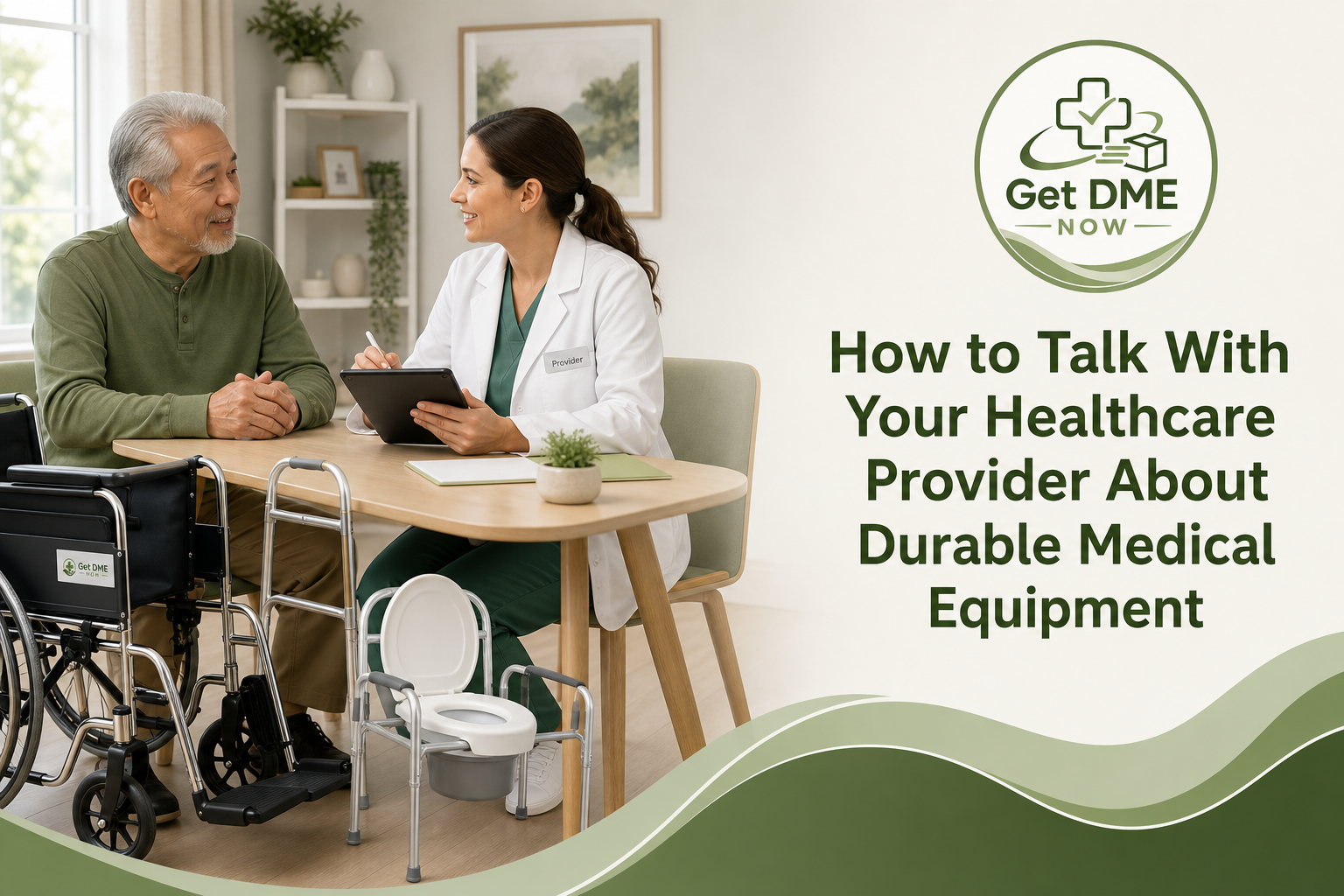
Most durable medical equipment is only provided if a qualified healthcare provider determines the item is medically necessary and writes a prescription. This process is important for both safety and insurance coverage.
Steps to Obtaining DME
- Assessment: Speak with a healthcare provider (such as a primary care physician, specialist, or rehabilitation professional).
- Prescription: The provider writes a prescription for specific equipment based on an individual’s medical needs.
- Medical Documentation: Some equipment may require supporting documents outlining the medical necessity and intended home use.
- Supplier Coordination: Work with a reputable supplier, such as Get DME Now, to facilitate equipment selection, insurance paperwork, and delivery.
What to Know About Insurance Coverage for DME
Insurance plays a key role in how DME is obtained and paid for. While coverage varies by plan, some guidelines are common across private insurance, Medicare, and Medicaid.
Typical Insurance Coverage Requirements
- Medical necessity: Insurance generally covers DME only when it is medically necessary and prescribed by a qualified provider.
- Approved suppliers: Coverage often requires using a supplier enrolled with the insurance plan.
- Home use: The equipment should be for use in the home.
- Documentation: Plans may request proof of necessity and provider documentation.
It’s important to verify coverage specifics with your insurance provider and work with a knowledgeable DME supplier. Requirements and coverage may change, so always refer to your plan’s most current documentation.
Common Myths and Misunderstandings About DME
Despite its importance, several misconceptions exist around durable medical equipment:
- "All medical equipment is DME." Not all health devices, such as disposable supplies, qualify as durable medical equipment.
- "DME is only for seniors." People of any age may need DME due to injury, illness, or disability.
- "Insurance always covers DME at no cost." Out-of-pocket costs vary by insurance plan, item, and eligibility.
- "DME is complicated to get." While there are steps, working with a knowledgeable supplier like Get DME Now can help simplify the process.
Questions to Ask About Durable Medical Equipment
If you or a loved one may benefit from DME, asking the following questions can be helpful:
- What type of equipment is recommended for my situation?
- Will my insurance cover this item? What will I need to provide?
- How do I properly use, clean, and maintain the equipment?
- How long will the equipment be needed?
- Who do I contact if there is an issue with the equipment?
- Is there a warranty or service agreement?
- Are there alternative options that may fit my needs or living space better?
Your healthcare provider and DME supplier can guide you through these important details.
How Should DME Be Maintained and Stored?
Proper care of equipment is key to safety and reliability. Here are tips for storage and maintenance:
- Follow all manufacturer instructions for cleaning and upkeep
- Store equipment in a clean, dry, and accessible area
- Keep batteries or power supplies charged (for electronic items)
- Inspect equipment regularly for wear or damage
- Contact your supplier for repairs, replacements, or support as needed
For detailed guidance, always refer to the product manual and your supplier’s recommendations.
The Role of DME Suppliers in Your Care
A trustworthy DME supplier, such as Get DME Now, can help you:
- Verify insurance coverage and eligibility
- Facilitate prescriptions and required documentation
- Answer questions about equipment options
- Provide delivery and setup support
- Offer ongoing education and troubleshooting
Working with a responsive team helps ensure a seamless experience—from choosing the right equipment to feeling confident in its use.
When to Discuss DME With a Healthcare Provider
If daily living, safety, or condition management is becoming more challenging, it may be time to speak with your healthcare provider about whether durable medical equipment could help. Examples include:
- Difficulty moving safely at home
- Worsening symptoms or new support needs
- Concern about falls or home safety
- Need for monitoring health from home
- Desire to recover at home after a procedure or hospitalization
Each situation is unique. Only a qualified healthcare provider can recommend DME based on individual needs and medical findings.
How Get DME Now Can Help
Get DME Now specializes in helping individuals, families, and caregivers understand and access the DME needed to support health, recovery, and independence. With a focus on education, friendly service, and coordination with your healthcare team, Get DME Now can help you:
- Navigate equipment options
- Understand insurance and eligibility steps
- Coordinate paperwork and prescriptions
- Arrange convenient home delivery and support
For more information about our services, visit Get DME Now.
Conclusion: Making Informed Choices About DME
Durable medical equipment is designed to support everyday living, health, and safety across many situations and life stages. Understanding what DME is, who may need it, and how to access it can help you or your loved ones make confident and informed decisions.
Choosing durable medical equipment is a personal process that may involve your healthcare provider, insurance plan, medical documentation, and individual needs. Get DME Now helps make the process easier to understand by providing helpful information and assistance with eligible equipment options. To learn more, visit 🌐 getdmenow.com.
Blog Author: Get DME Now Category: Diabetes Education