What to Know About DME Repairs, Replacements, and Ongoing Supplies
Durable medical equipment (DME) plays a crucial role in supporting daily living, managing chronic conditions, and helping people maintain independence at home. Proper care, timely repairs, and reliable access to ongoing supplies ensure that this equipment can continue to provide the intended support. Understanding how DME repairs, replacements, and ongoing supply management works is essential to protect both safety and comfort. This guide breaks down what to expect, how to plan ahead, and how Get DME Now may assist every step of the way.
Understanding Durable Medical Equipment (DME)
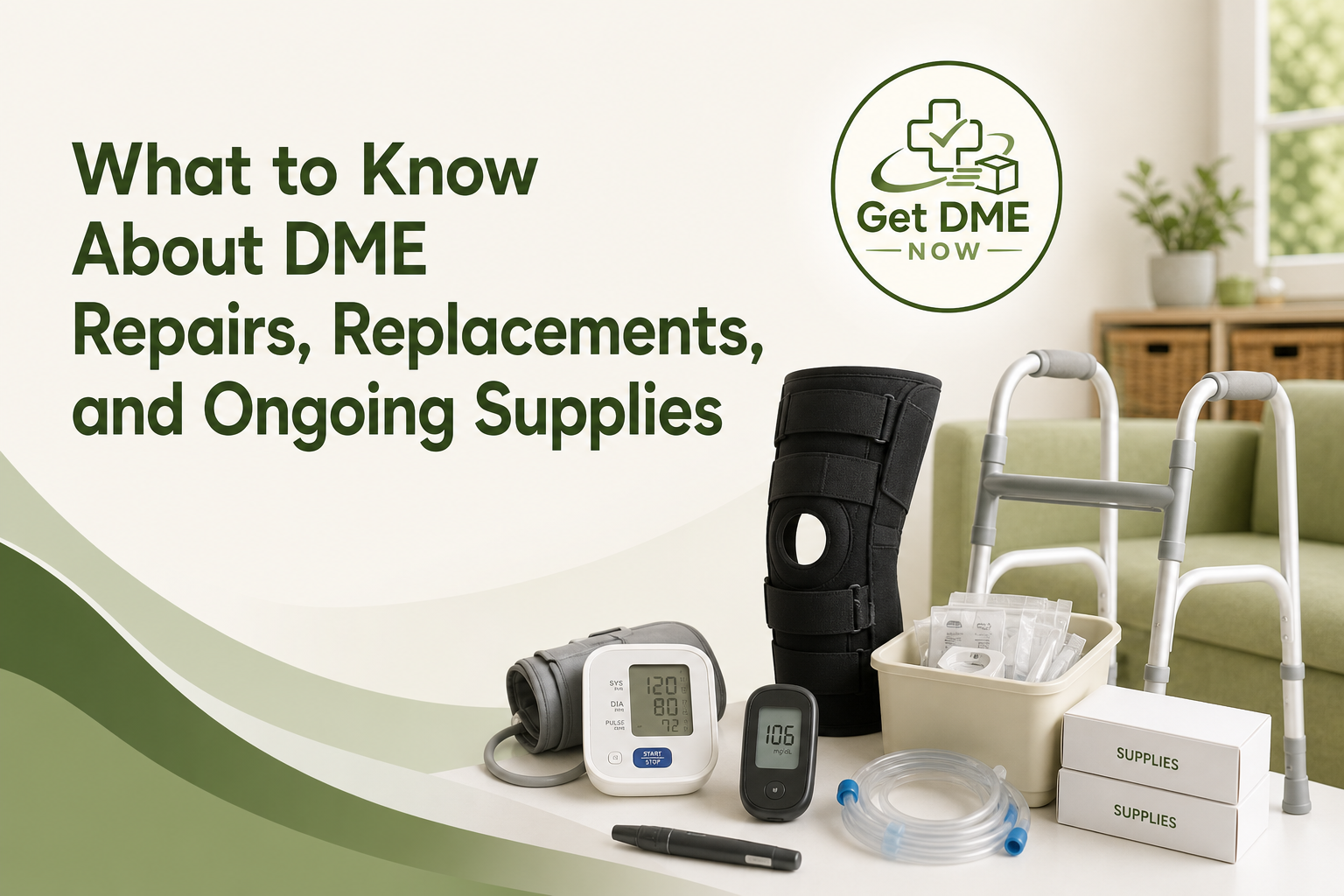
DME refers to medical equipment designed for repeated use to assist with everyday activities or medical needs, such as glucose monitors, mobility aids, back braces, and more. These items are prescribed by healthcare providers and may be provided as part of a patient’s care plan.
Common examples include:
- Blood glucose monitors and continuous glucose monitors (CGMs)
- Insulin pumps
- Wheelchairs and walkers
- Orthopedic braces and supports
- Compression equipment
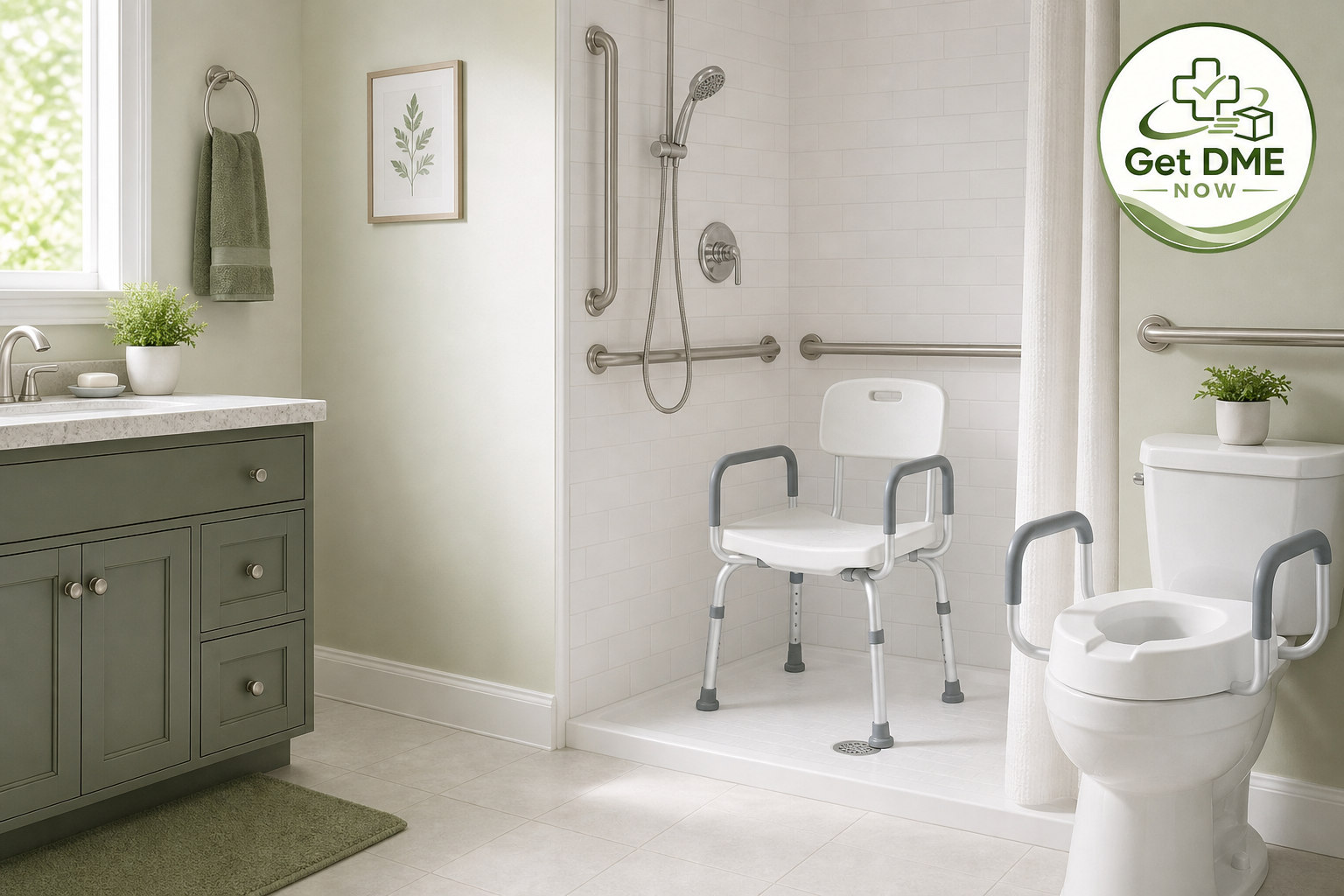
- Bathroom safety devices
- Blood pressure monitors
Since DME is often relied upon daily, it’s important to know how to maintain it, how to resolve issues if it malfunctions, and how to arrange for replacement parts or ongoing supplies.
When Does DME Need Repairs?
Even with careful handling, wearable devices, mobility aids, and monitors can experience normal wear and tear, accidental damage, or occasional technical problems. Knowing when to seek repairs may help prevent interruptions in care.
Signs Your Equipment May Need Repair
- Unexpected beeps or error messages (monitors and pumps)
- Visible cracks, breaks, or worn-out parts
- Loose wheels, unstable supports, or missing hardware
- Difficulty turning equipment on or off
- Battery issues not resolved by replacement
- Displays or sensors not functioning as expected
If you notice any issue affecting your device’s use, comfort, or safety, contact your DME provider as soon as possible. For any urgent or serious equipment malfunction, especially if it might affect your health or safety, notify your healthcare provider right away for guidance.
The DME Repair Process
Repair policies and processes can vary by equipment type, manufacturer, and insurance plan, but some general steps include:
- Contact your DME provider: Report the issue and describe the symptoms. This can help determine if troubleshooting steps or inspection is needed.
- Provider assessment: Providers such as Get DME Now may ask questions, offer basic troubleshooting, or arrange inspection.
- Repair or replacement decision: Some minor repairs may be completed by the supplier, while others may require sending the device to the manufacturer.
- Insurance considerations: Some repairs may be covered based on your insurance plan, equipment warranty, type of damage, and medical necessity. Coverage details vary and may require documentation from your healthcare provider.
- Timelines and temporary backups: Repair times can differ, so it is helpful to ask if a temporary replacement (“loaner”) is available during servicing for critical equipment.
For the most accurate expectations about timelines, costs (if any), and eligibility, discuss your situation directly with your DME provider and check with your insurance plan as needed.
When Should DME Be Replaced?
No piece of equipment lasts forever. Replacement may be necessary due to regular wear, a device reaching the end of its functional lifespan, manufacturer recommendation, or a change in your medical needs.
Common Reasons for Replacement
- The device no longer works despite attempted repairs
- It’s reached the end of its manufacturer’s expected life
- There is a significant change in your prescription or needs
- Insurance guidelines indicate it is eligible for replacement after a set period
- Durable parts (like batteries or cushions) wear out
The Replacement Process
- Contact your DME supplier: Share details about your equipment and why you believe replacement is needed.
- Consult your healthcare provider: You may need a new prescription or documentation describing the medical need for a replacement.
- Insurance documentation: Insurance plans often require proof of necessity, details about the equipment’s age and condition, and a current provider order.
- Review warranty coverage: Some replacements may be supported by the original equipment manufacturer’s warranty.
Get DME Now can help review your options and clarify which steps and documents are needed for replacements. Visit getdmenow.com for more info.
Ongoing Supplies for DME
Many types of DME, such as glucose monitors, insulin pumps, or incontinence supplies, require ongoing delivery of single-use or regularly replaced components. Managing these supplies is essential for uninterrupted care.
Common Ongoing Supplies
- CGM sensors and transmitters
- Test strips and lancets for glucose meters
- Infusion sets or tubing
- Batteries and adhesives
- Cleaning and maintenance products (as recommended by the manufacturer)
- Replacement cushions, pads, or straps for braces
Ordering and Managing Supplies
- Set reminders for reordering: Mark your calendar or set electronic reminders to order before your current supply runs out.
- Be aware of insurance refill timelines: Insurance often sets limits on how frequently you can reorder supplies. Order early enough to prevent gaps.
- Keep documentation organized: Some ongoing supplies may require a standing order or refill prescription from your provider.
- Track deliveries and inventory: Make note of shipment dates and packaging to ensure you have what you need when you need it.
Get DME Now offers helpful reminders and supply management support to make this process easier.
Insurance and Coverage Considerations
Insurance plans may offer coverage for eligible DME repairs, replacements, and supplies—but requirements and limits vary.
Key Points to Understand
- Coverage is not automatic: Each insurance plan has its own guidelines for repairs, replacements, and ongoing supplies.
- Documentation is important: A prescription or progress note from your healthcare provider may be needed for repairs, replacements, or regular supply refills.
- Frequency counts: Most coverage programs limit how often equipment or supplies can be replaced. Understand your plan’s allowed timelines.
- Medical necessity: Insurance typically requires documentation that the equipment or ongoing supplies remain medically necessary based on your current health.
- Out-of-pocket cost may apply: Depending on your plan, you may be responsible for certain copays, coinsurance, or non-covered expenses.
Consult your insurance plan, DME supplier, or qualified benefits representative for questions about your specific coverage and eligibility. Get DME Now can assist in checking plan requirements and coordinating documentation.
Keeping DME in Good Condition
Proper maintenance and timely care can extend the life of your equipment and help avoid unnecessary repairs or replacements.
Practical Tips for Equipment Care
- Follow manufacturer instructions for cleaning, storage, and use
- Replace parts and supplies as recommended
- Store equipment in a dry, room-temperature place away from direct sunlight
- Perform regular inspections for cracks, leaks, or worn parts
- Keep a backup plan for critical equipment (such as spare batteries or manual mobility aids)
If you have questions about caring for your equipment or recognizing signs of potential issues, contact your DME provider for guidance.
Common Questions About DME Repairs, Replacements, and Supplies
What should I do if my DME stops working suddenly?
Stop using the equipment if it feels unsafe and contact your DME provider promptly. For urgent concerns affecting your health, seek medical advice.
Will repairs or replacements be covered by insurance?
Coverage varies widely between insurance plans and equipment types, and is typically based on medical necessity, documentation, and plan rules. Always confirm details with your supplier and insurer.
How do I know when to order new supplies?
Track how quickly you use items, check with your insurance about allowable refill frequency, and order before you run out.
Do I need a new prescription for every supply order?
Some supplies may be on a standing order, while others may require updated documentation. Your DME supplier can clarify what is needed for ongoing orders.
Can someone help me understand my options?
Yes! A knowledgeable DME provider such as Get DME Now can help clarify your options, answer questions, and coordinate with your healthcare team and insurance.
The Role of Your Healthcare Provider
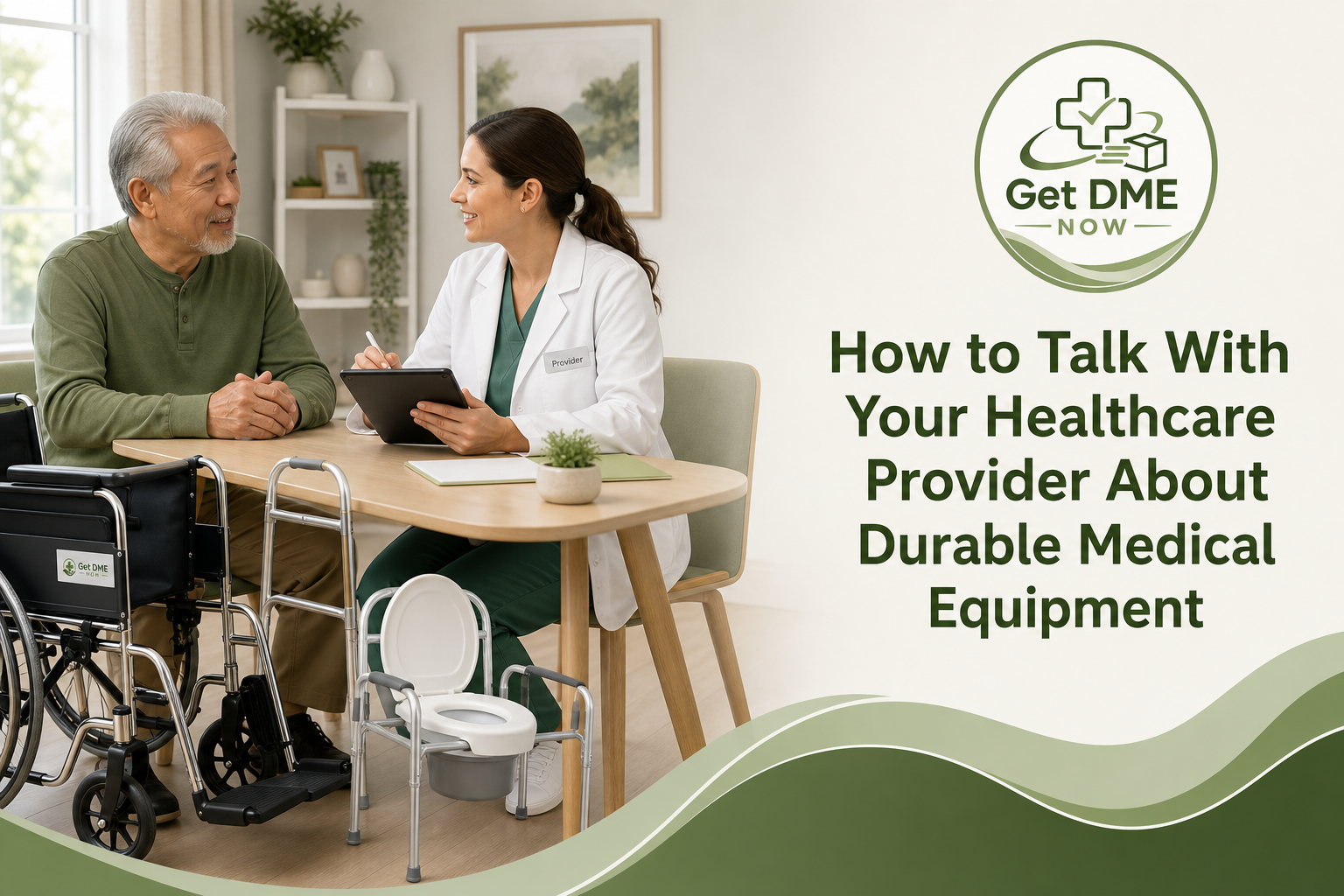
Your healthcare provider is an important partner for identifying the right equipment, recognizing when replacements or new supplies are needed, and providing the necessary medical documentation. Discuss any equipment concerns, changes in your health, or ongoing supply needs at each appointment.
Why Choose Get DME Now for DME Support?
Get DME Now is committed to educating patients and caregivers about every step of durable medical equipment management—including repairs, replacements, and ongoing supplies. Their supportive approach emphasizes accurate information, convenient service, and customer-focused solutions.
To learn more about your equipment options, supply management, or to start the process, visit 🌐 getdmenow.com.
Conclusion: Managing Equipment for Peace of Mind
Maintaining and replacing durable medical equipment—including ongoing supplies—is an essential part of staying safe and comfortable at home. By understanding how repairs, replacements, and supply ordering work, you can better navigate coverage requirements and minimize disruptions. Remember, every insurance plan and medical situation is unique, so consult with your healthcare provider and DME supplier for advice tailored to your needs.
Get DME Now helps make the process easier to understand by providing helpful information and support with eligible options. To learn more, visit 🌐 getdmenow.com.
Author: Get DME Now